

International Economics Olympiad
info.asia@seedasdan.org
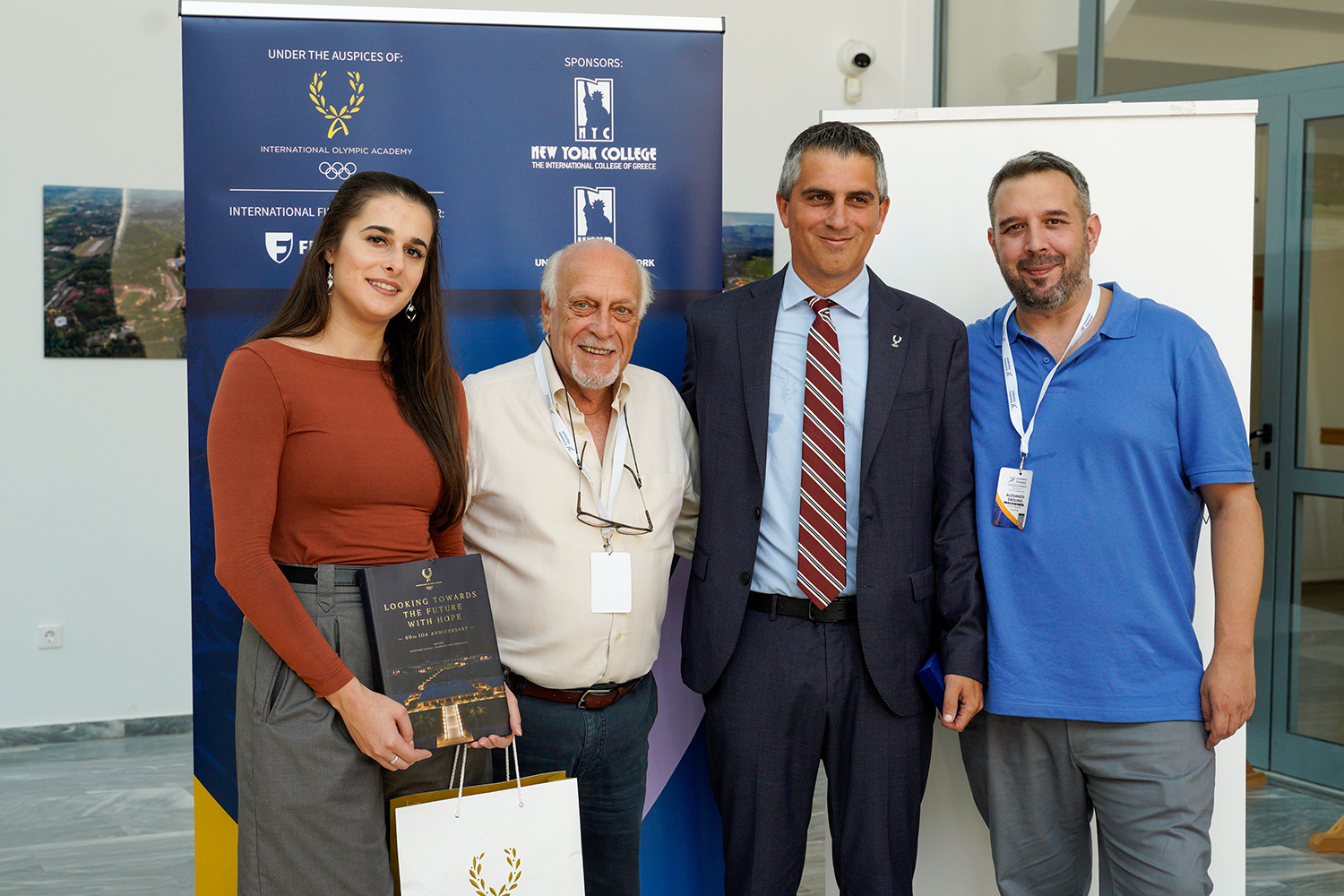
Under the Auspices of:


About the International Economics Olympiad
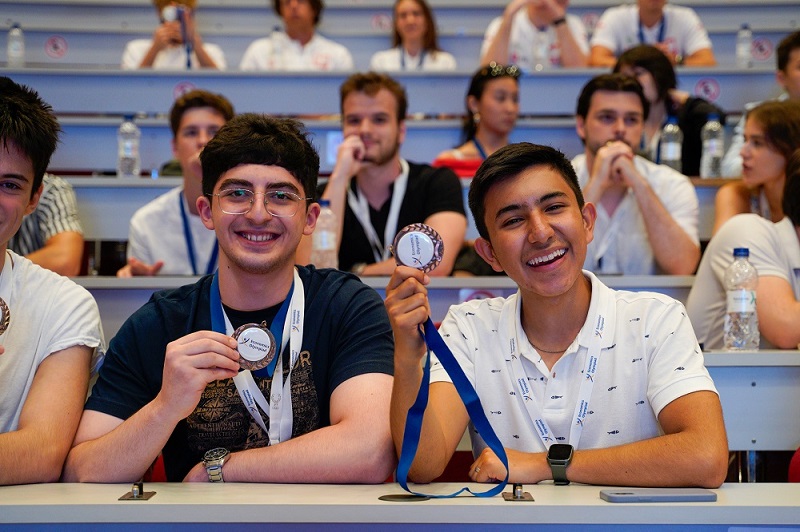
The International Economics Olympiad (IEO) was organised by the International Olympic Academy (IOA). Following the International Olympiads in Mathematics, Physics, Chemistry, Biology, Informatics and other academic disciplines, the IEO has become one of the most influential Economics Olympiads in the world.
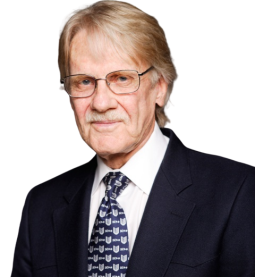
The IEO originated in the Czech Republic in 2016 as the European Economics Olympiad (EEO), and has since engaged more than 500,000 participants worldwide. Since 2024, the IOA has officially become the host organization. The Academic Committee is chaired by Vernon L. Smith, the 2002 Nobel Laureate in Economic Sciences, and the program has received support from ministries of education, central banks and academic institutions in multiple countries as it expands globally.
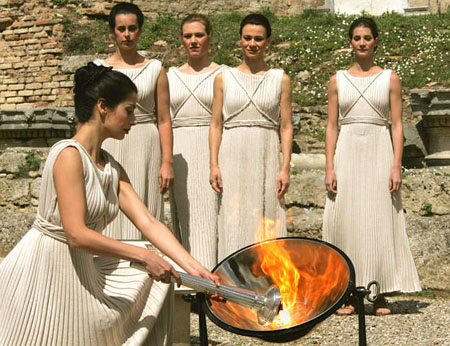
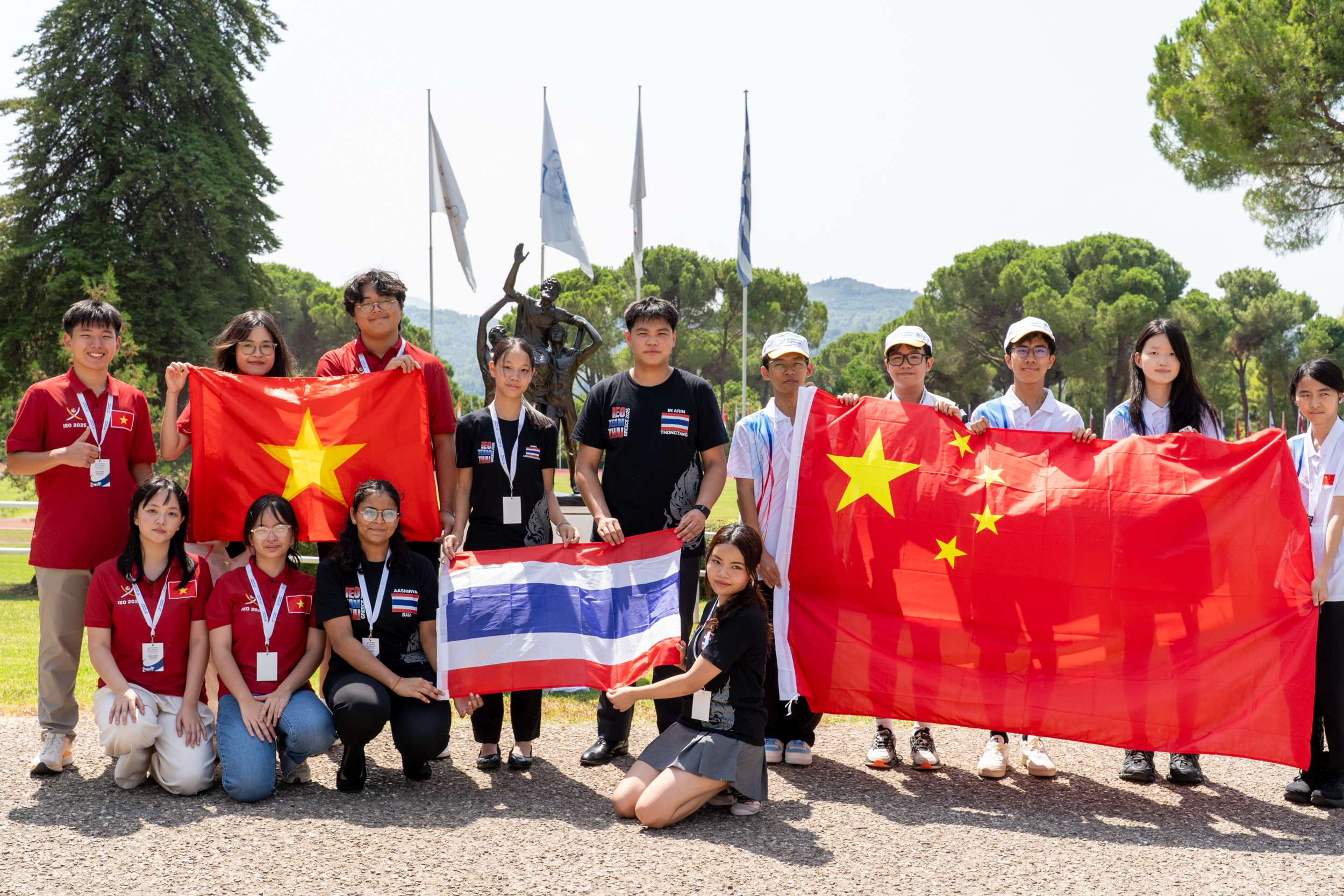
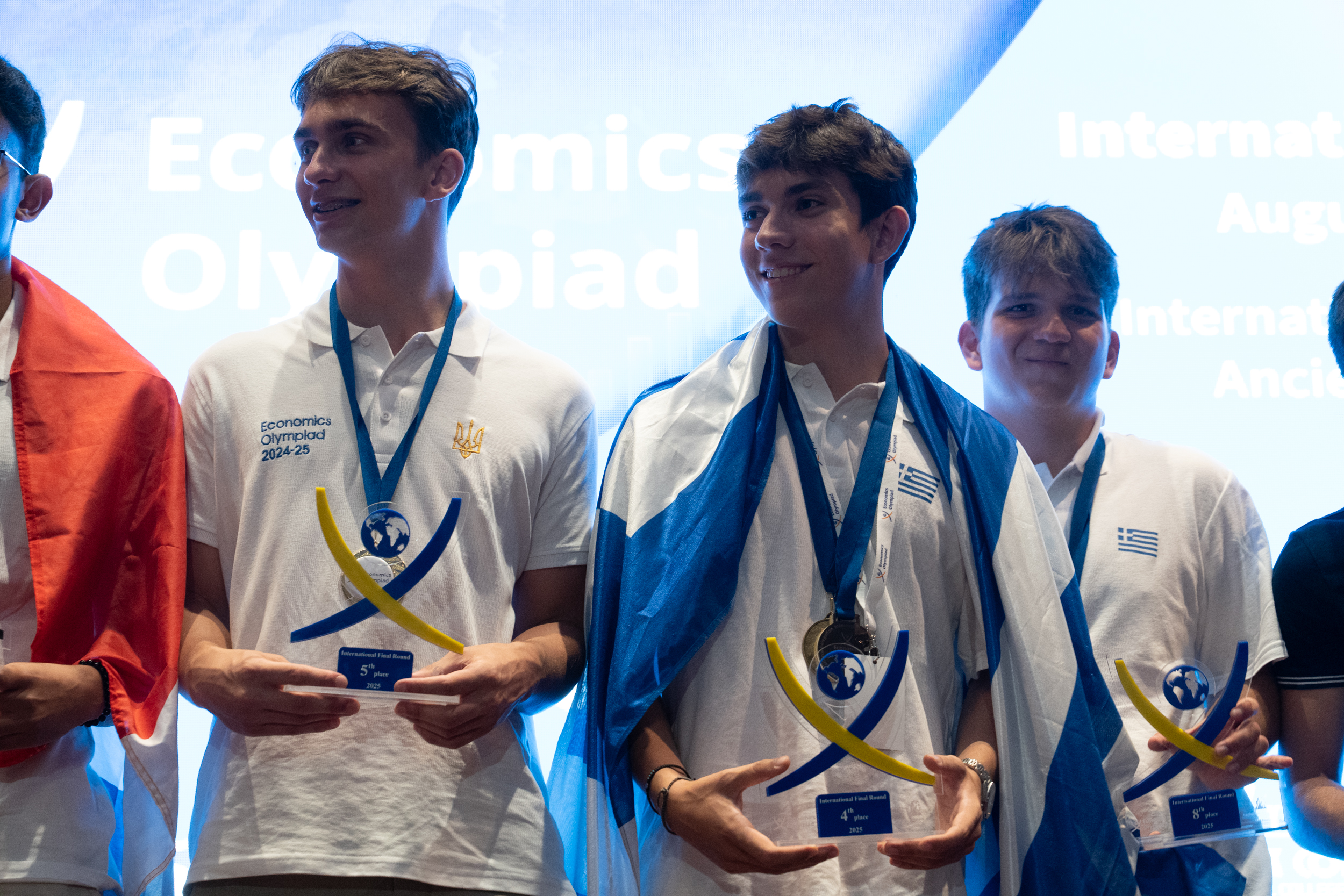
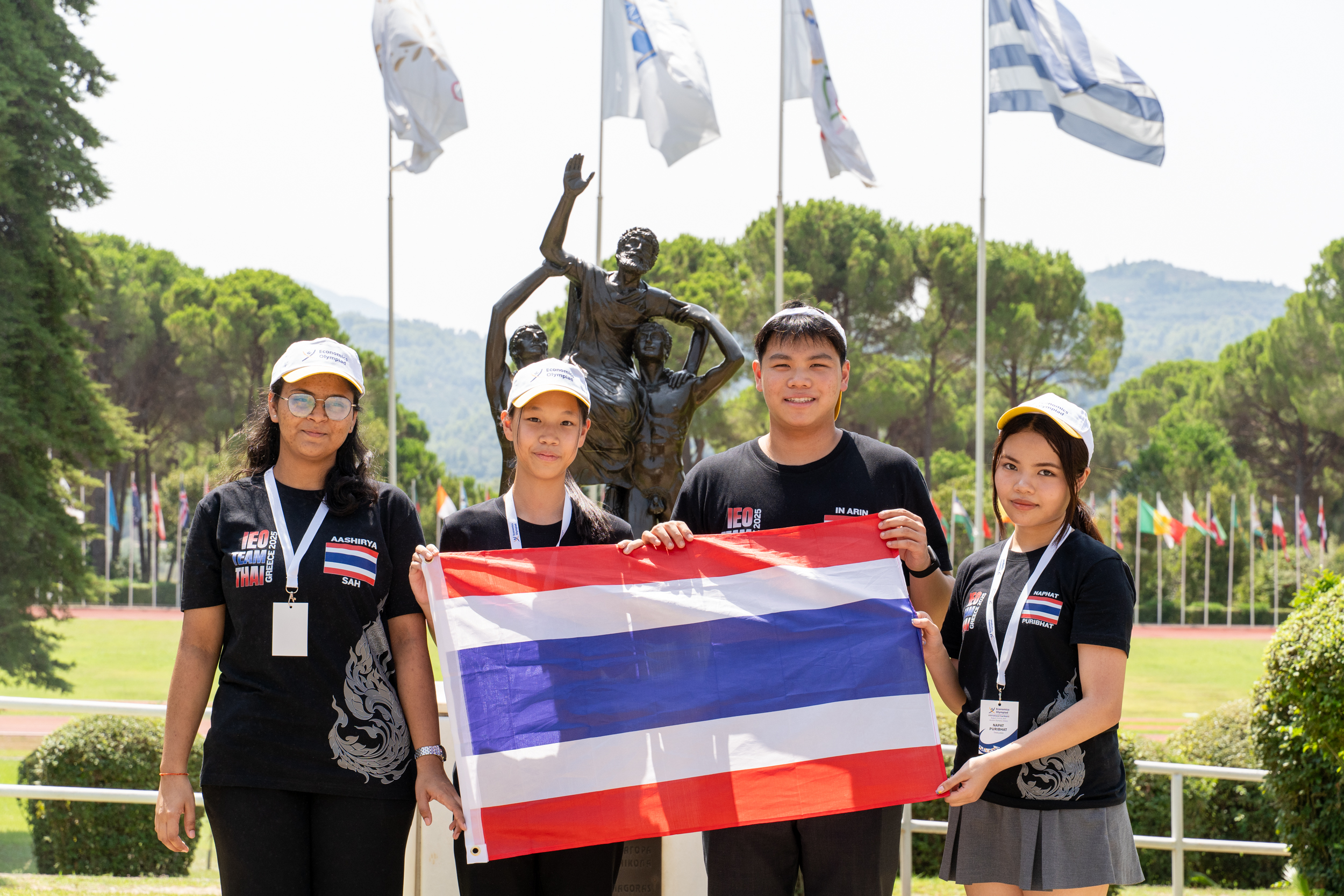
The Global Finals began in Olympia, Greece, the birthplace of the Olympic Games, carrying the Olympic spirit onto the international stage. The International Economics Olympiad has experienced remarkable growth since its inception, soaring from an initial 4,000 participants in 2017 to nearly 150,000 by 2025. Such growth reflects the program’s success in engaging and inspiring a wide audience, offering an invaluable platform for young economists to showcase their talents, and fostering a deeper understanding of economic principles. The Olympiad’s expansion is a testament to its quality, relevance, and the increasing interest in economics among the youth, setting a new standard for educational competitions worldwide. Website: https://economicsolympiad.org
Since 2024, St Catharine’s College, Cambridge has become an official partner, offering an exclusive economics enrichment program for outstanding IEO participants. The program is taught by renowned Cambridge economists and provides official certification.
About the Organizer

The International Olympic Academy (IOA), established in 1961, is the main educational and cultural institution of the International Olympic Committee. It organizes numerous academic activities annually and promotes the Olympic spirit through research and education.
Website: https://www.ioa.org.gr
Advocating the Olympic Ideal from the sporting and the cultural point of view must be a task that we all share.
—— Jacques ROGGE, President of the IOC (2001 – 2013)

Global Network
USA
China
Netherlands
Poland
Czech Republic
Greece
Singapore
Indonesia
Argentina
Malaysia
Hungary
Uzbekistan
Slovakia
Thailand
Cameroon
Ghana
Cameroon
Kosovo
Uzbekistan
North Makedonia
Bosnia and Herzegovina
Ukraine
Uzbekistan
Vietnam
Azerbaijan
Albania
Mongolia
Armenia
Montenegro
Spain
Testimonials

Academic Board

Emeritus Chairman
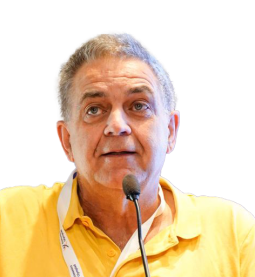
Dr. Vernon L. Smith
His research on market behaviour and human decision-making through experimental methods has profoundly shaped modern economics and its real-world applications.

Member
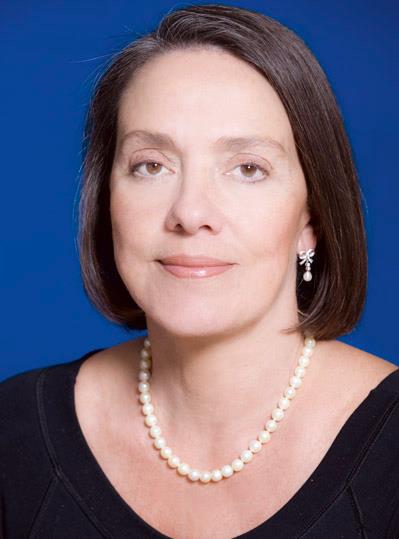
Dr. Miranda Xafa

Member
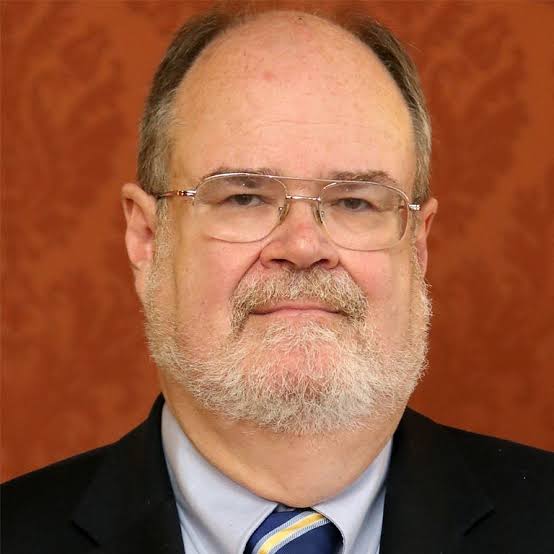
Dr. Randall Filer

Member
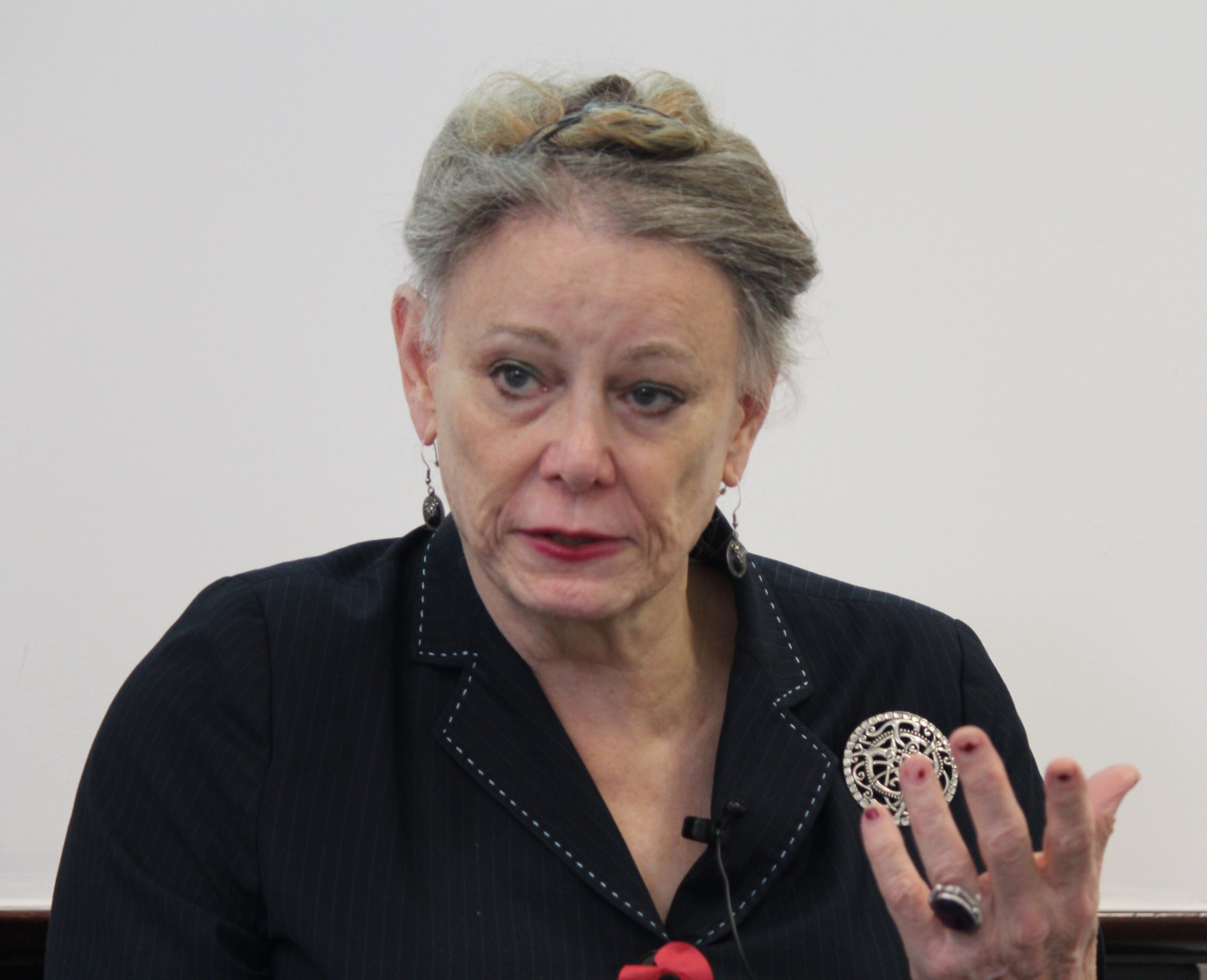
Deirdre McCloskey

Member
Pavel Potužák

Member
Theo Roos

Member
Helena Chytilova
Notable Guests and Judges

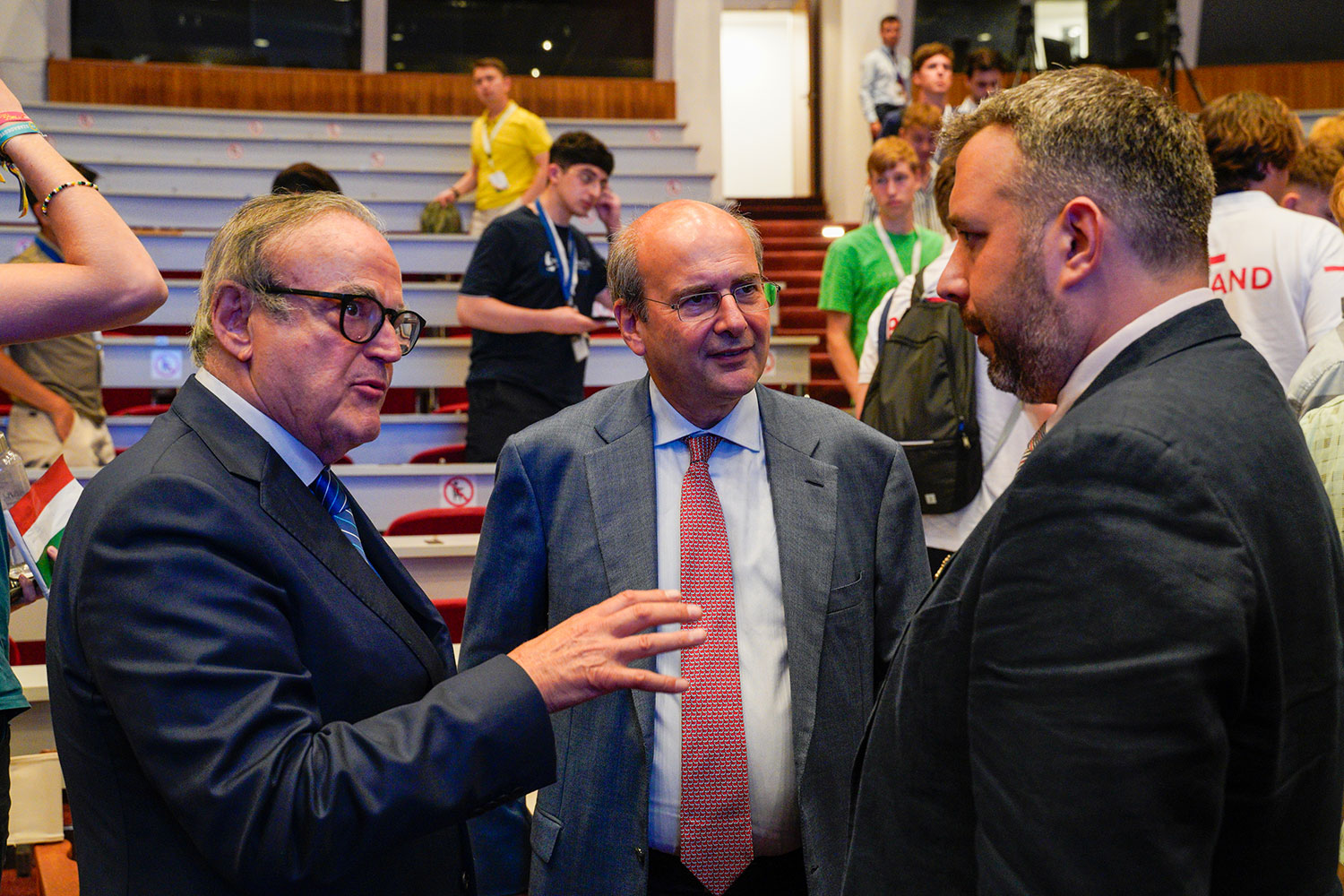
Dr. Dionyssis Gangas
Senior Advisor to the President of the International Olympic Academy
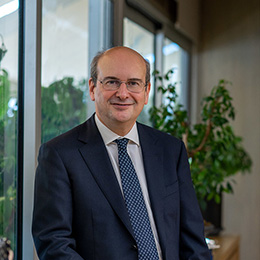
Kostis Hatzidakis
Minister of Economy and Finance of Greece
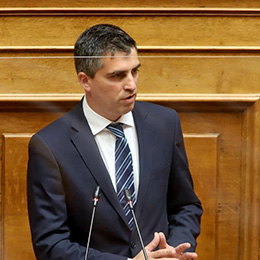
Dr. Christos Dimas
Deputy Minister of Economy and Finance of Greece
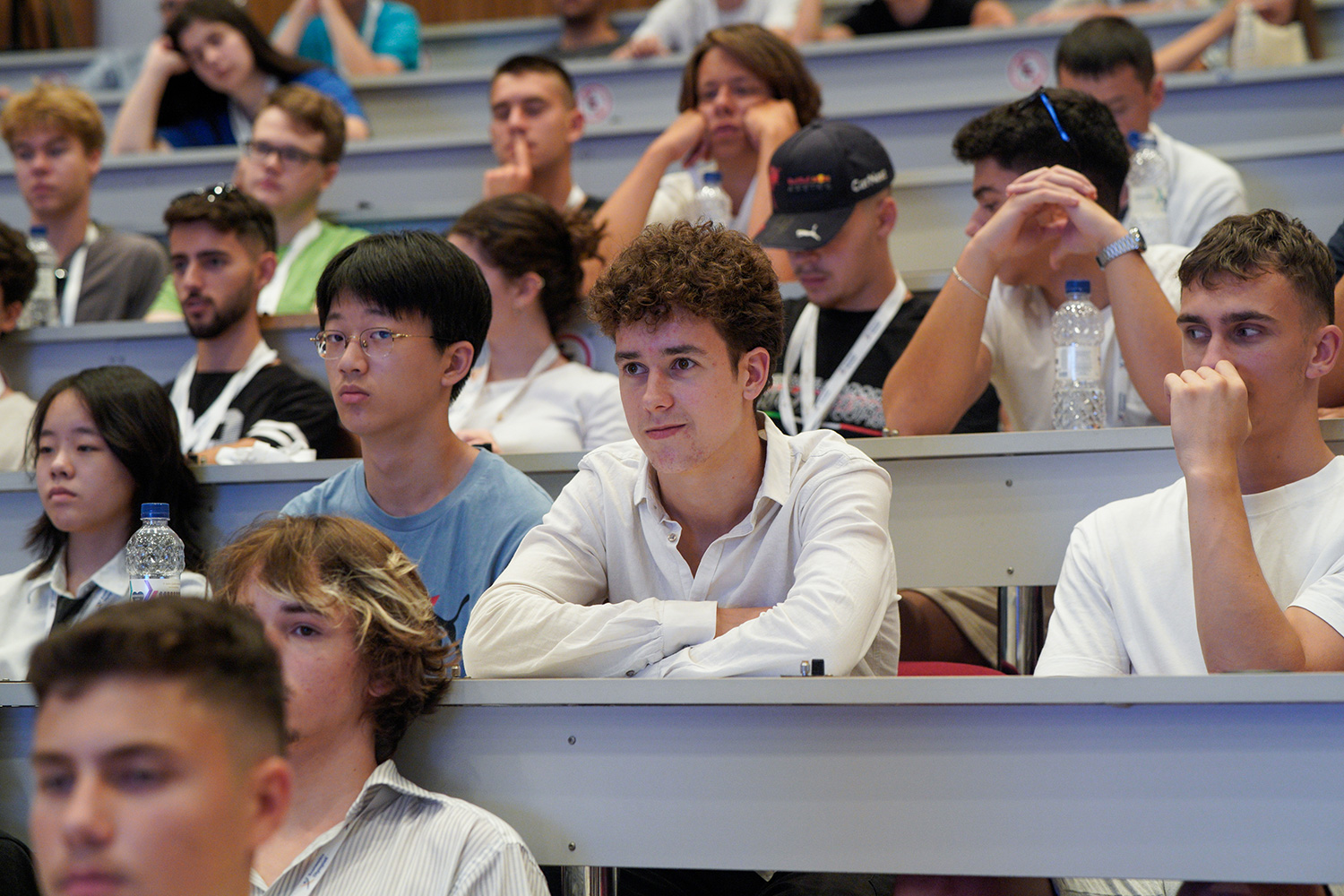
Highlights

Syllabus
Build Strong Economic Knowledge. The syllabus is 80%similar to the lB. AP, A-LEVEL, DSE Syllabus for EconomicsCourse

Economics Knowledge
All the assessed knowledge is based on the 'Mankiw Priciples of Economics'.

Practical Application
Students will learn to analyze economic data, solve practical problems, make informed decisions, and understand the implications of economic theories in everyday life.

Authoritaive Certificate
Under the Auspices of the International Olympic Academy. The Global Round will feature distinguished economists.

Comprehensive resources
Compiled from syllabus highlights, these engaging academic materials help students anticipate the types of questions.

Olympic Heritage
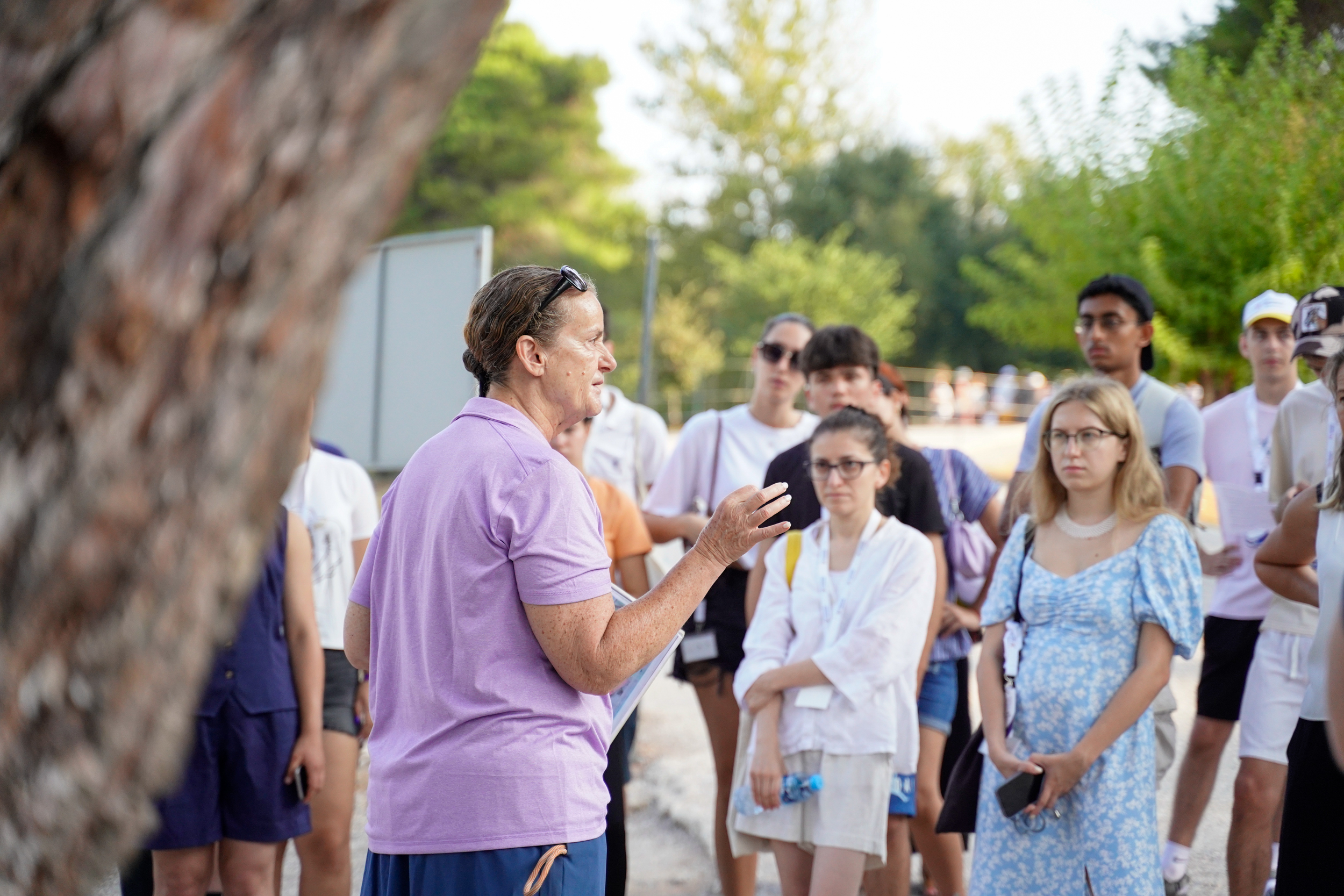
The Global Final began in Ancient Olympia, Greece, the revered birthplace of the Olympic Games

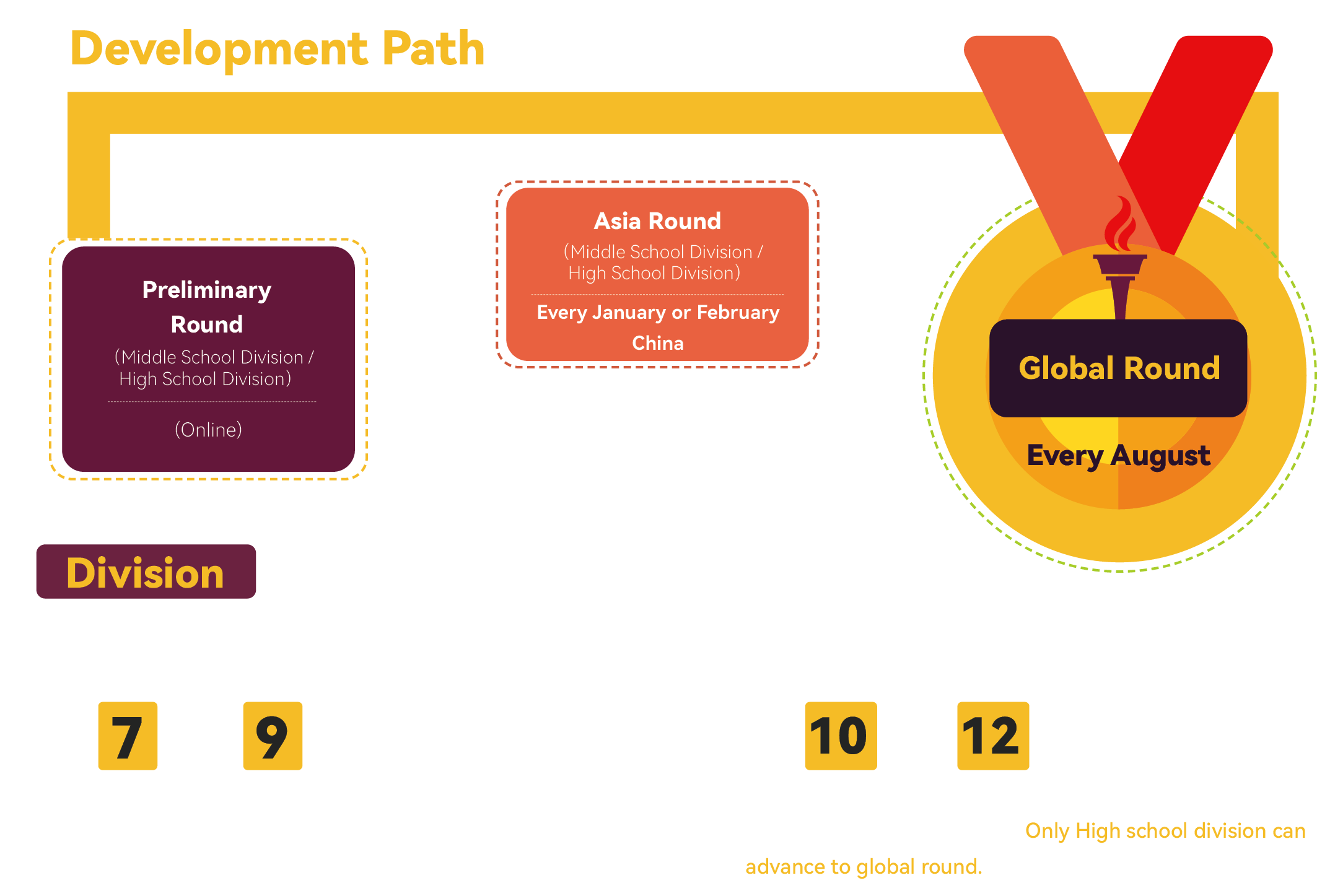
- Date: Please refer to your country’s program brochure.
- Venue:Online (Home-based, On-campus)
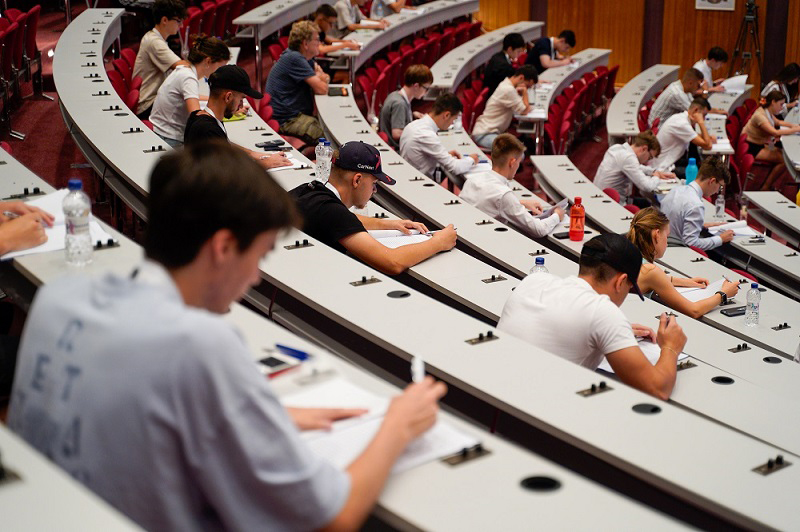
- Format:Individual written test (MCQs)
Asia Round
Economic Challenge
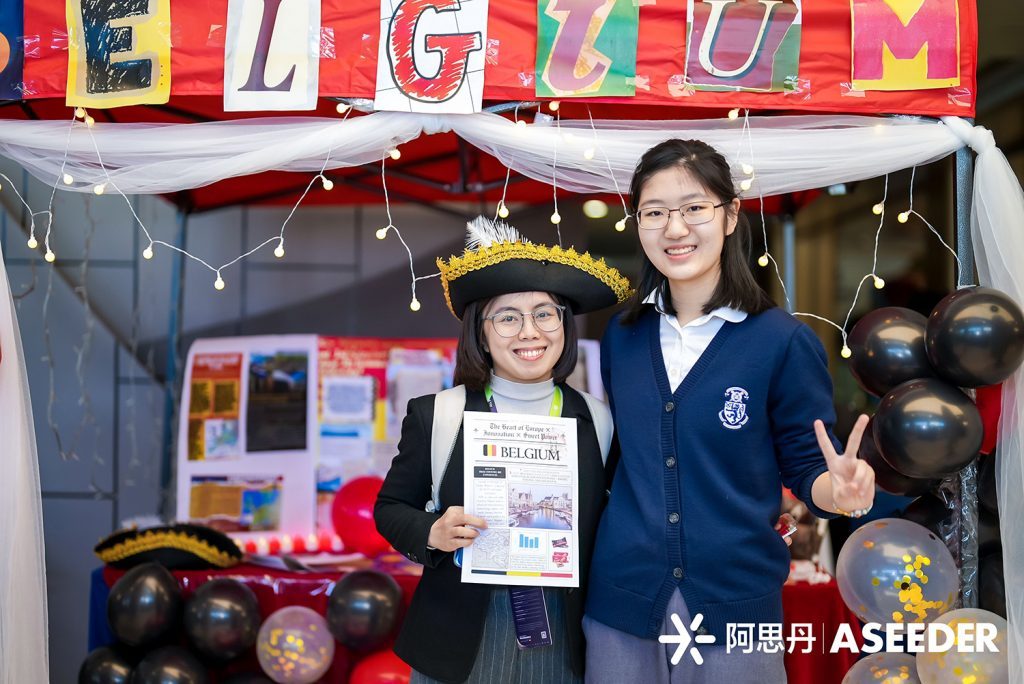
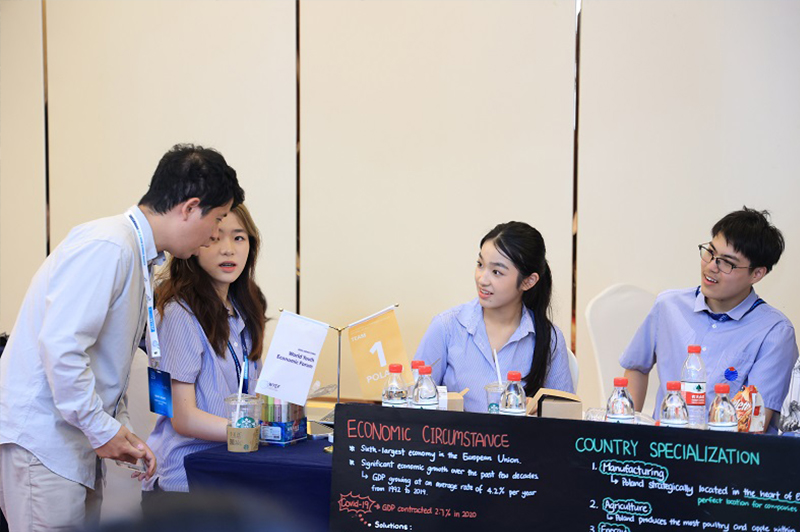
International Trading Expo
expand trade opportunities, and develop international negotiation skills

Economic Quiz Bowl
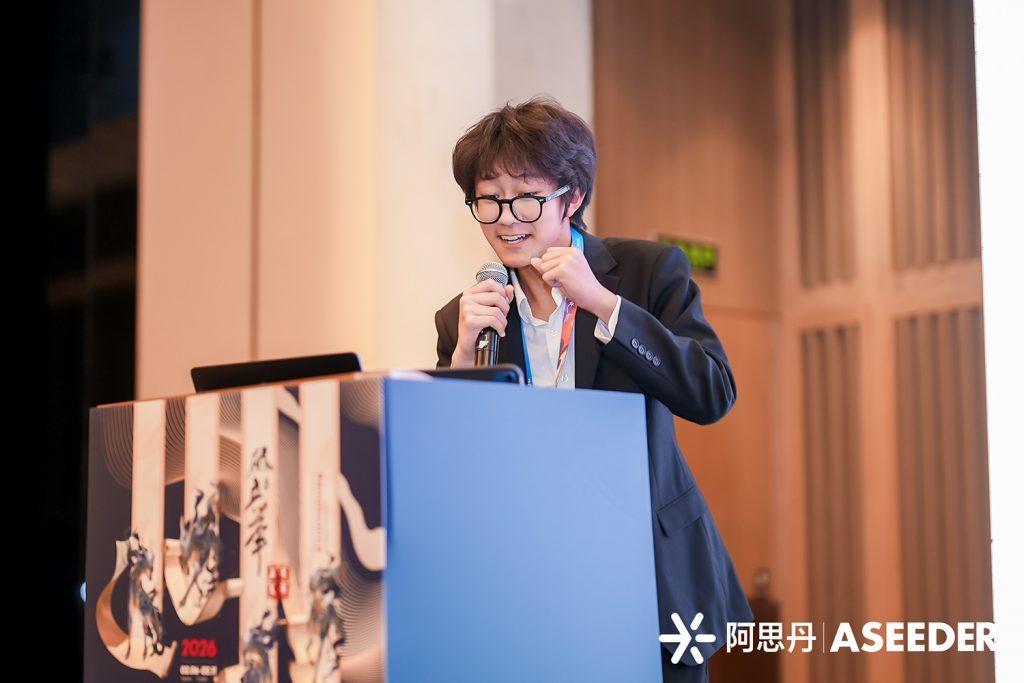
Global Economy Insight
research and presentations on global issues, testing students’ global perspective
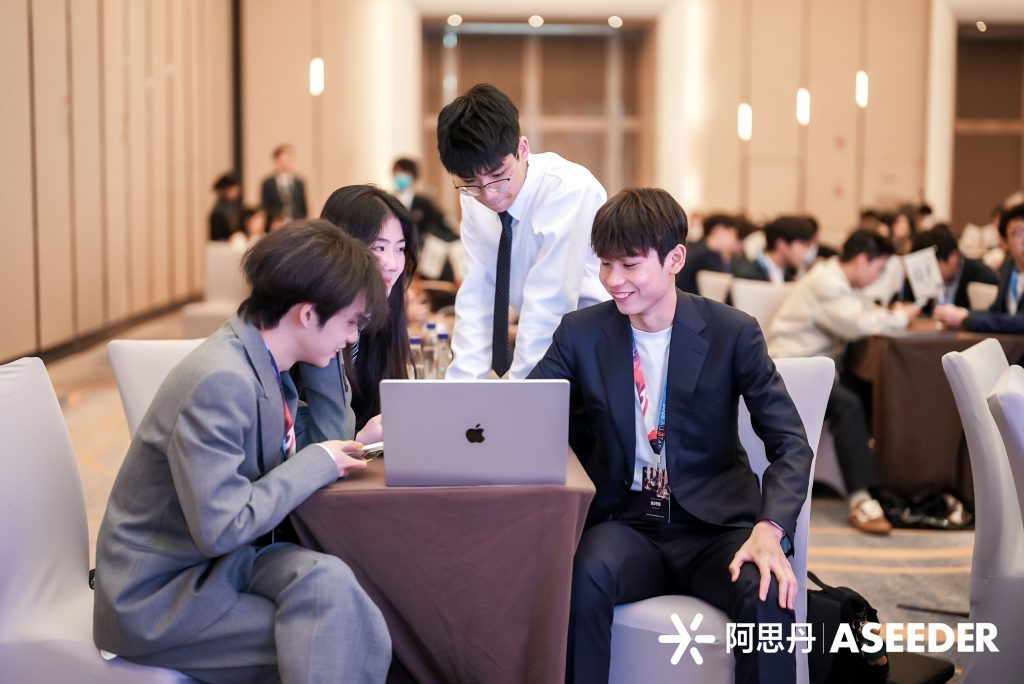
Estimathon
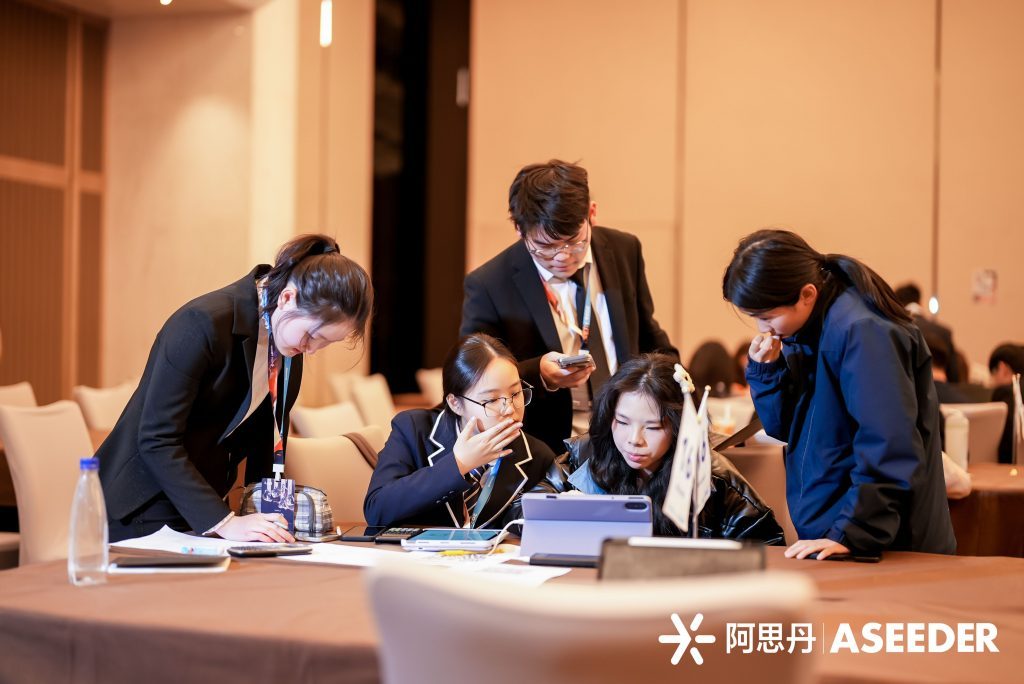
Stock Exchange Challenge
1. Competitive Sessions
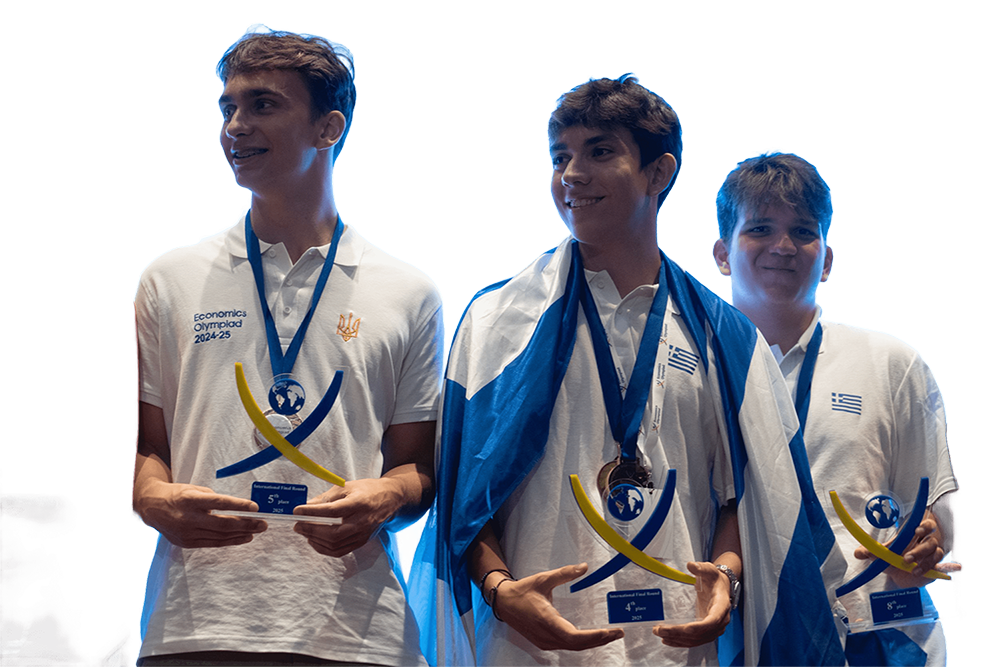
Economic Challenge
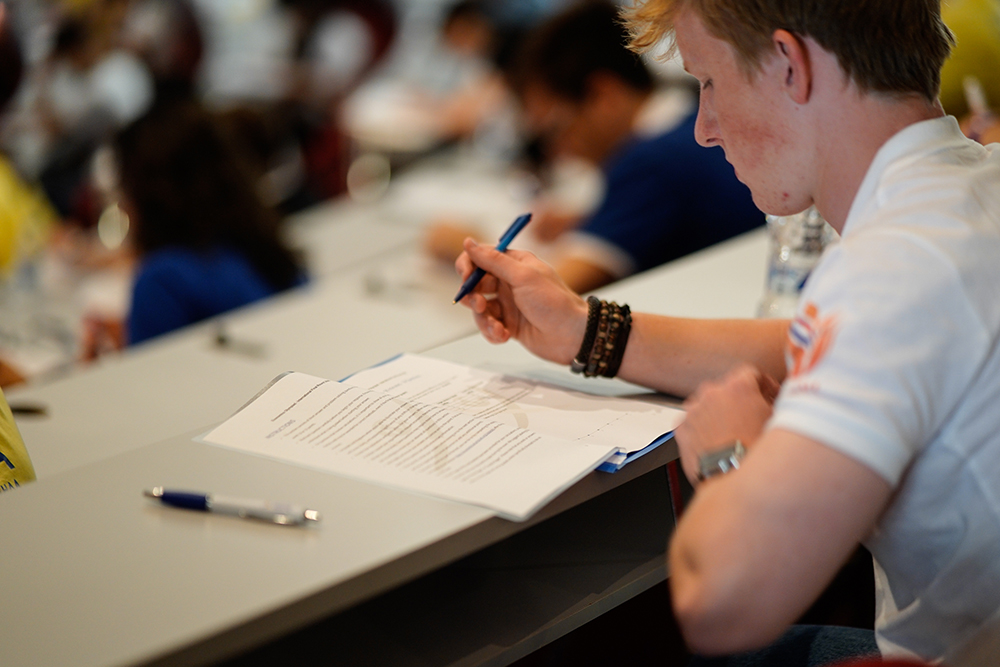
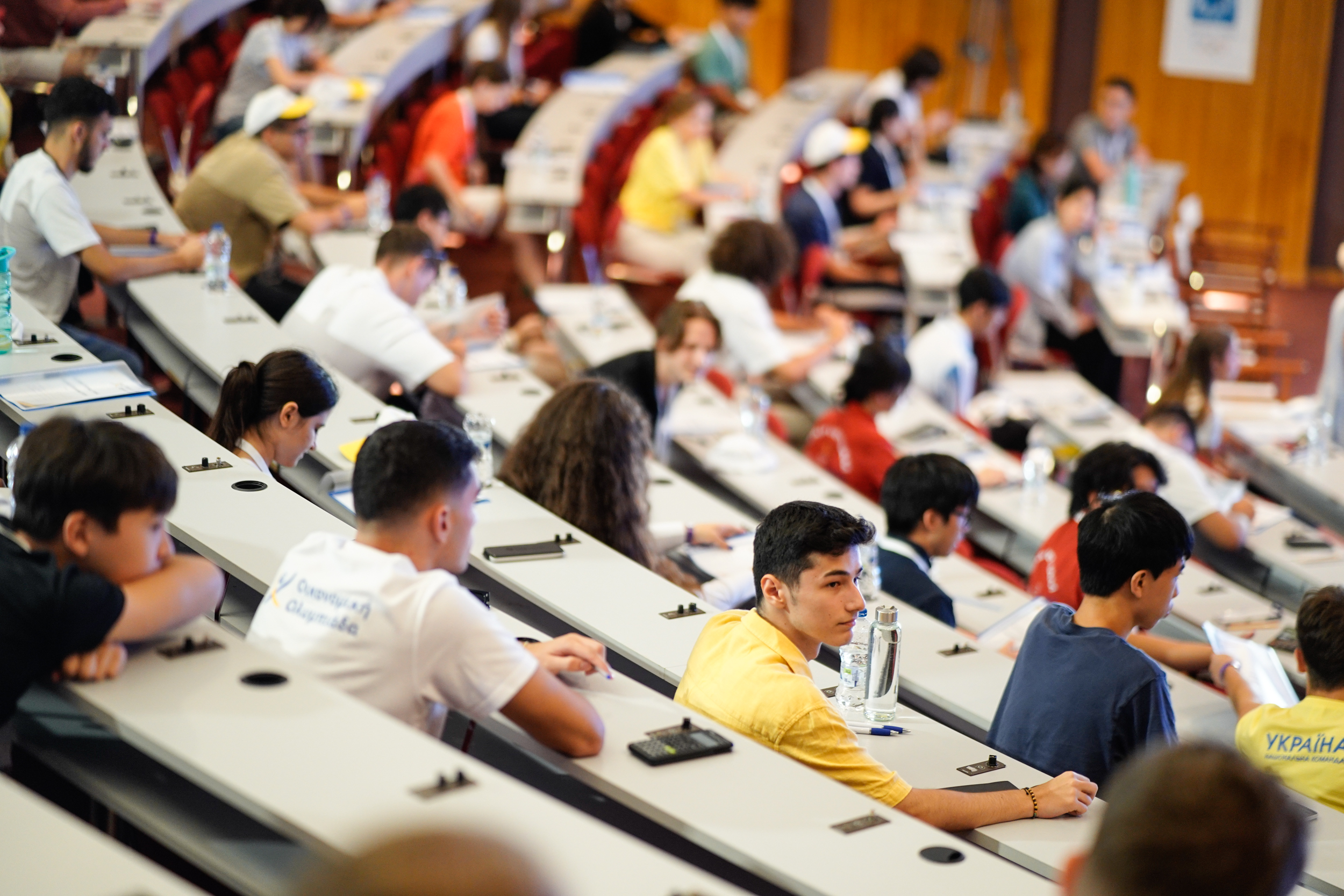
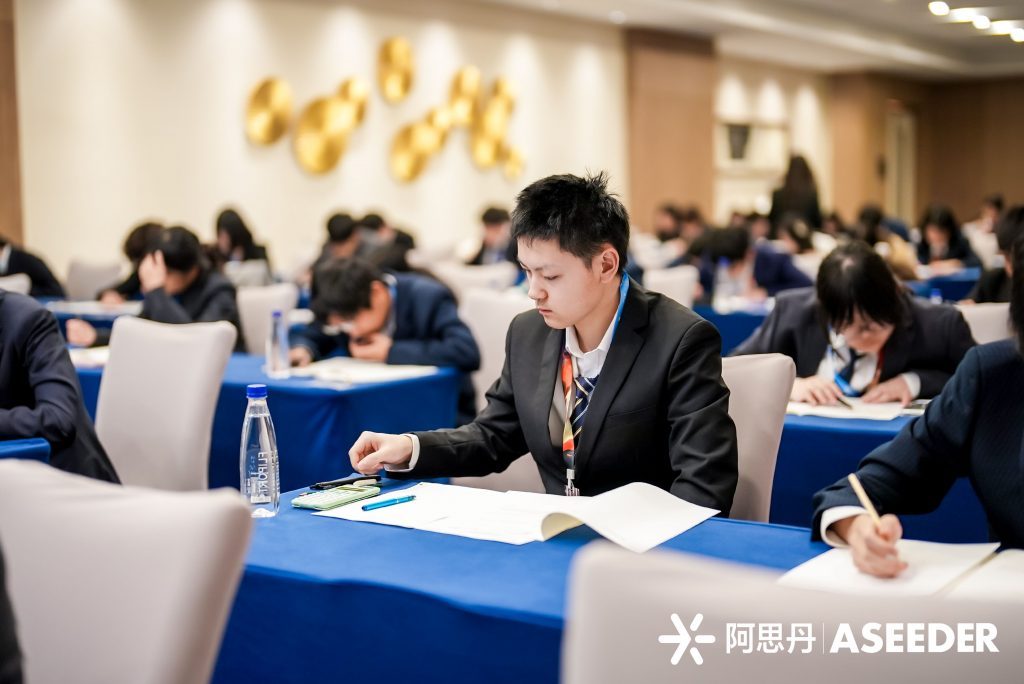
Two rounds— a 90-minute multiple-choice test, and a 90-minute short-answer and problem-solving paper
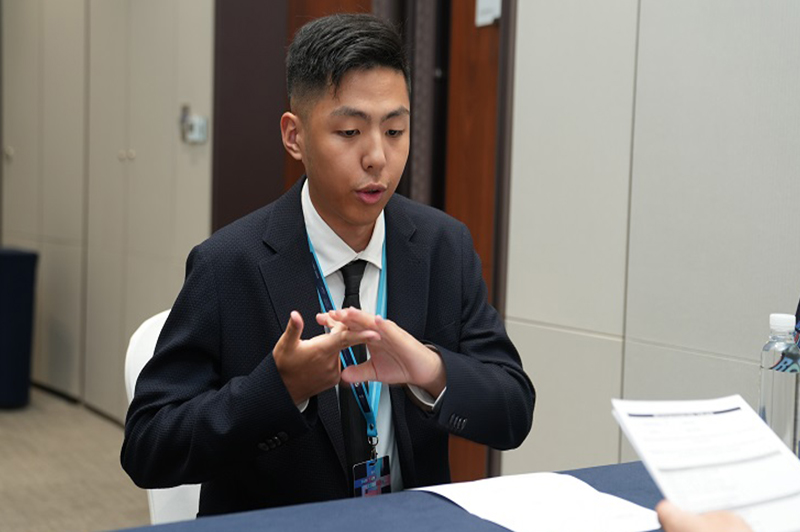
Oral exam
The students who have advanced in the written test will be eligible to participate in the second round of oral exam. Answer several questions about one economics issue
2. Featured Academic Content
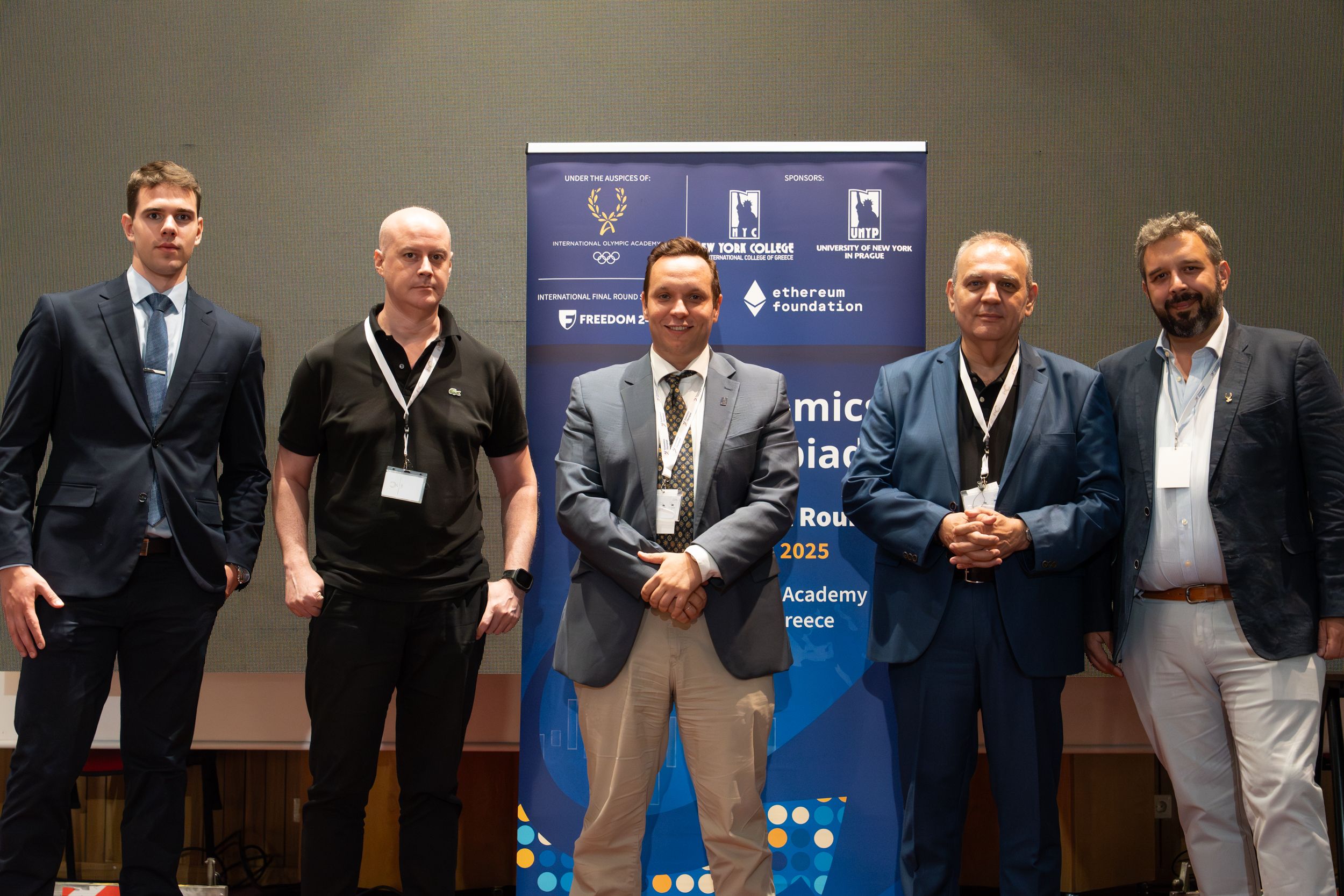
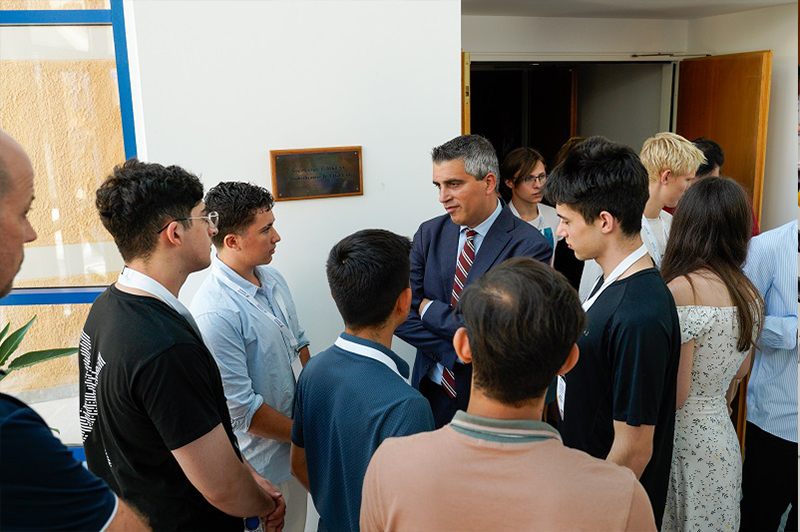
Keynote Speech
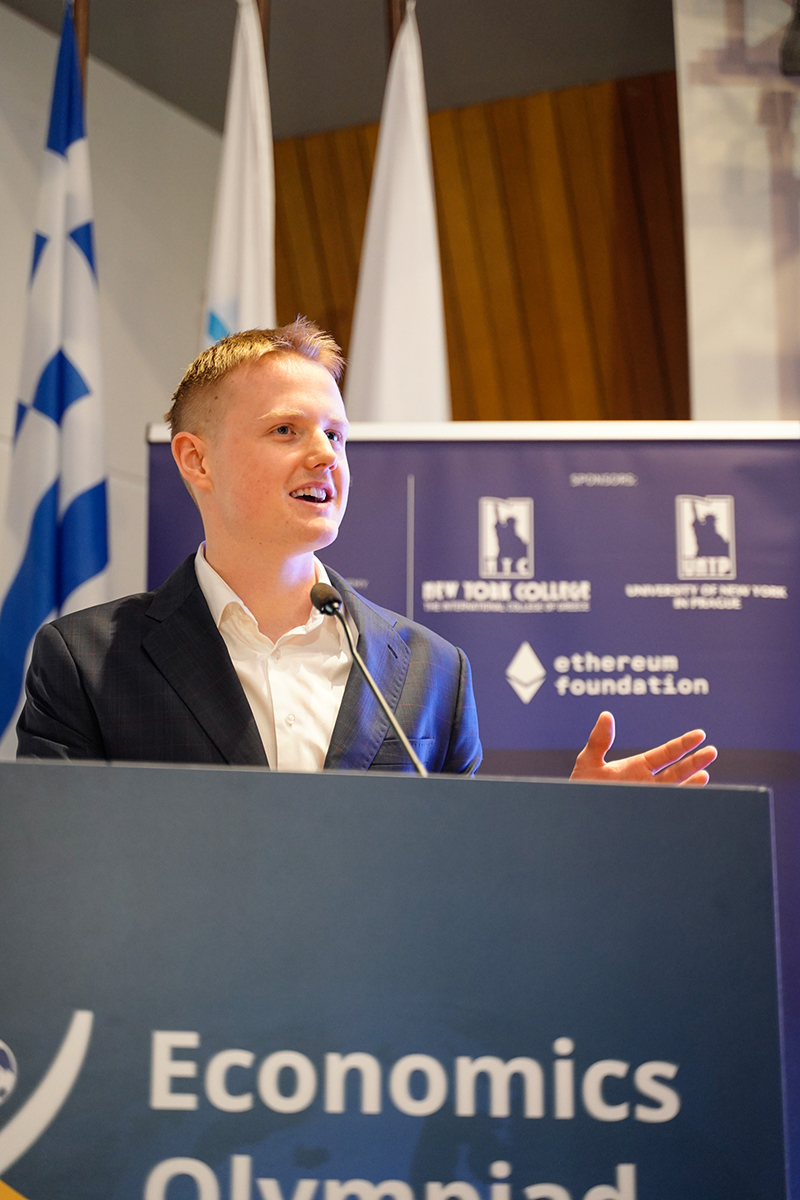
Meet a Mentor
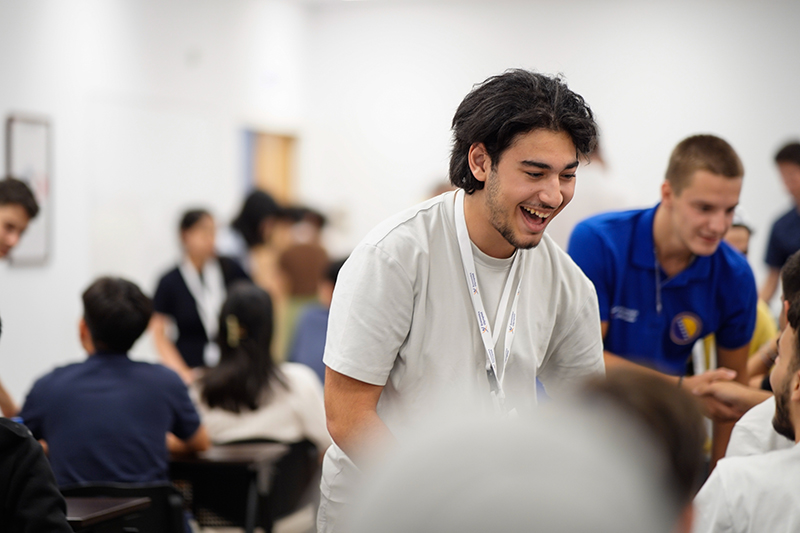
Networking Session
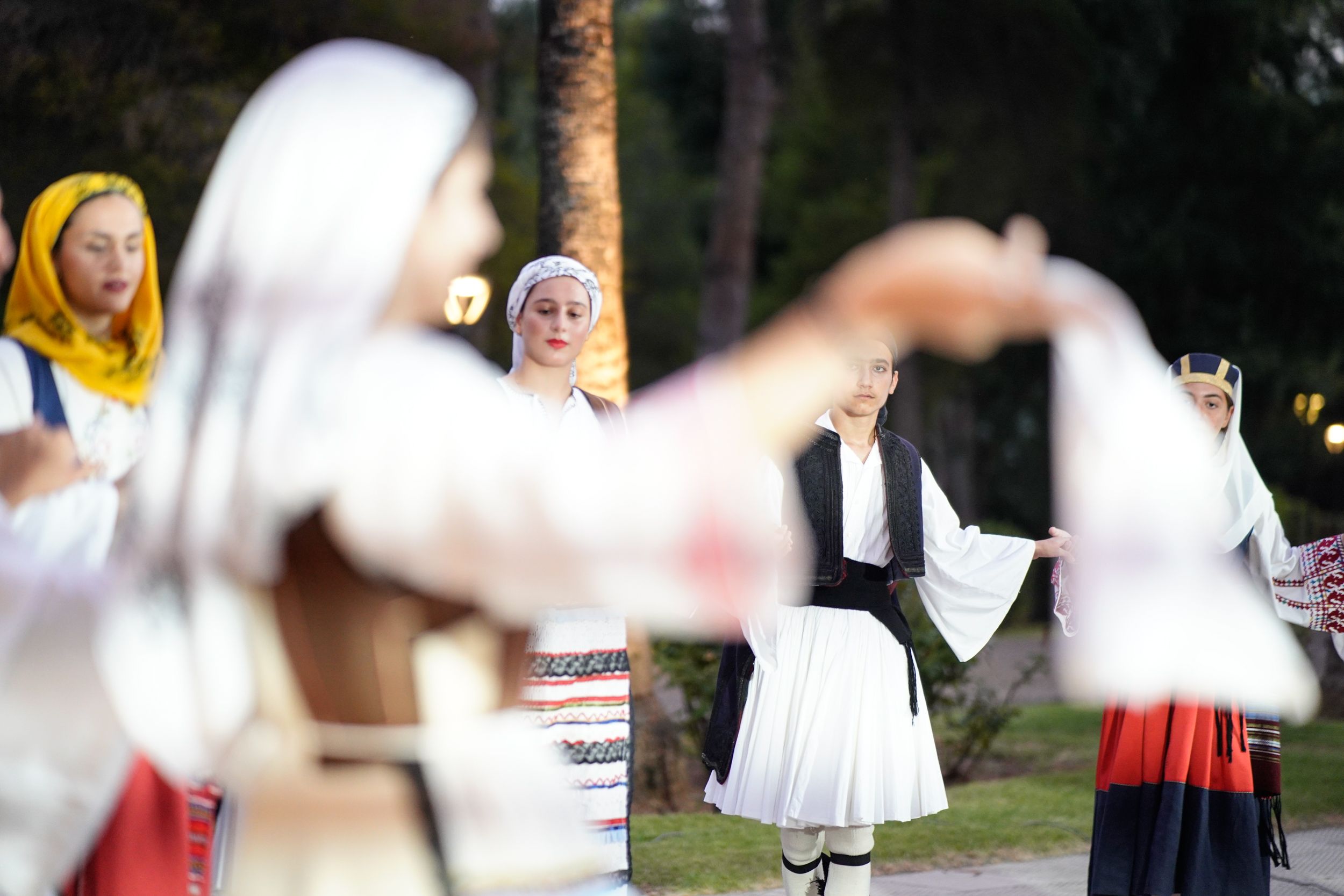
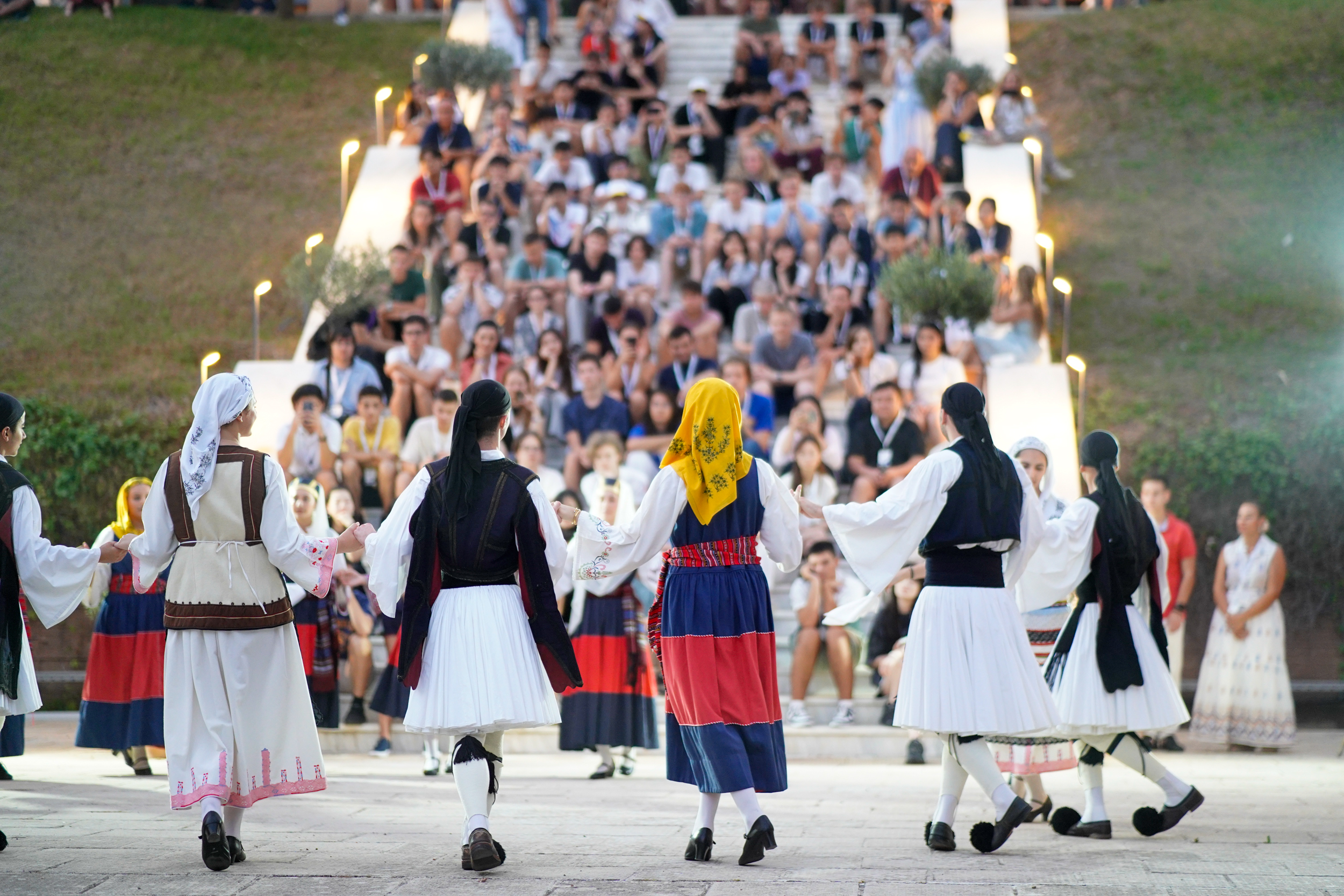
Cultural Experience
Academic Modules
Six Key Academic Modules
1. Economic Principles and History
Economic Methodology: Delving into the principles and scope of economics, grounded in foundational concepts.
History of Economic Thought: Tracing the evolution of economic theory from early thinkers to the Marginal Revolution, and further exploring post-Marginal developments in economic thought.
2. Microeconomics
Consumer Behavior and Market Demand: Utility theory, consumer choice, demand factors, and risk preferences.
Production and Costs: Firm behavior, cost structures, and supply decisions.
Market Structures: Perfect competition, monopoly, monopolistic competition, oligopoly, and regulation.
Factor Markets and Distribution: Resource allocation and income distribution.
3. Microeconomics
National Income and Price Measurement: GDP, inflation, and price measurement
Economic Growth: Long-term growth drivers and models.
Monetary & Fiscal Policy: entral banks, money supply, taxation, and public spending.
Business Cycles and Unemployment: Economic fluctuations and labor market trends.
4. International Economics
Trade Theories and Policy: Comparative advantage, trade barriers, and policy impacts.
Open Economy Macroeconomics: Exchange rates, balance of payments, and global finance.
Integration and Policy: Regional trade agreements and common markets.
5. Contemporary Economic Issues
Global and Regional Economic Dynamics: Insight into recent developments in global and regional economies.
Economic Policy Analysis: Evaluating the impact of fiscal, monetary, and trade policies on economic performance.
6. Financial Literacy
Interest and Investment: Simple/compound interest and basic investment principles.
Financial Markets and Instruments: Financial markets, securities, and investment vehicles.
Risk Management: Insurance basics and financial risk strategies.
Inflation and Purchasing Power: Inflation’s causes and effects on money value.
Reading Recommendations

High School Division
Principles of Economics,
7th Edition
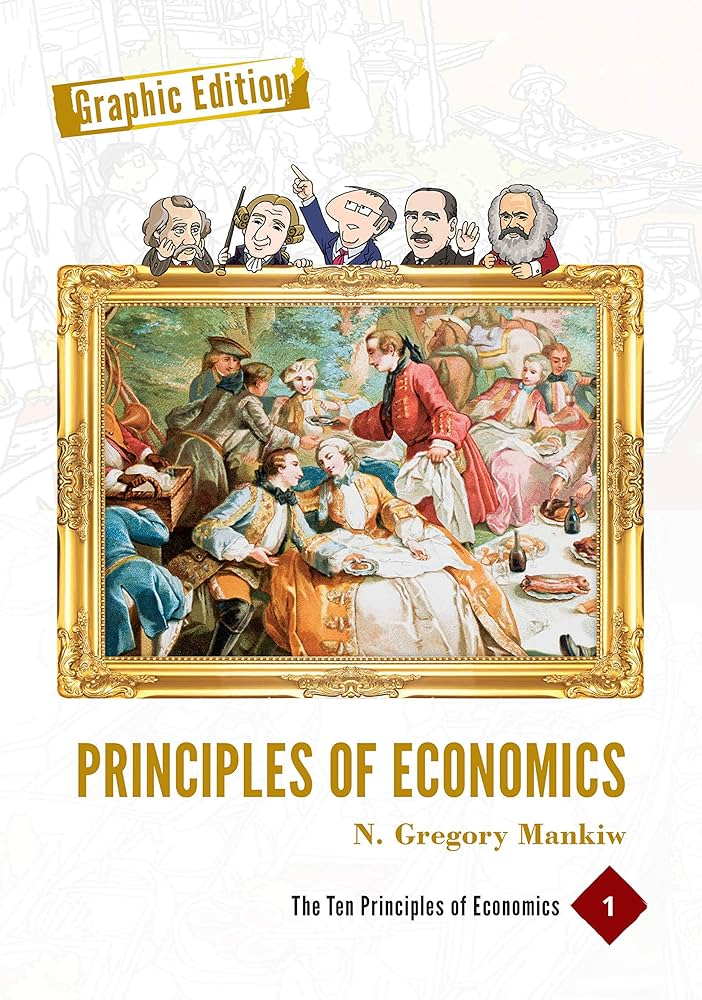
Middle School Division
Principles of Economics,
Graphic Edition
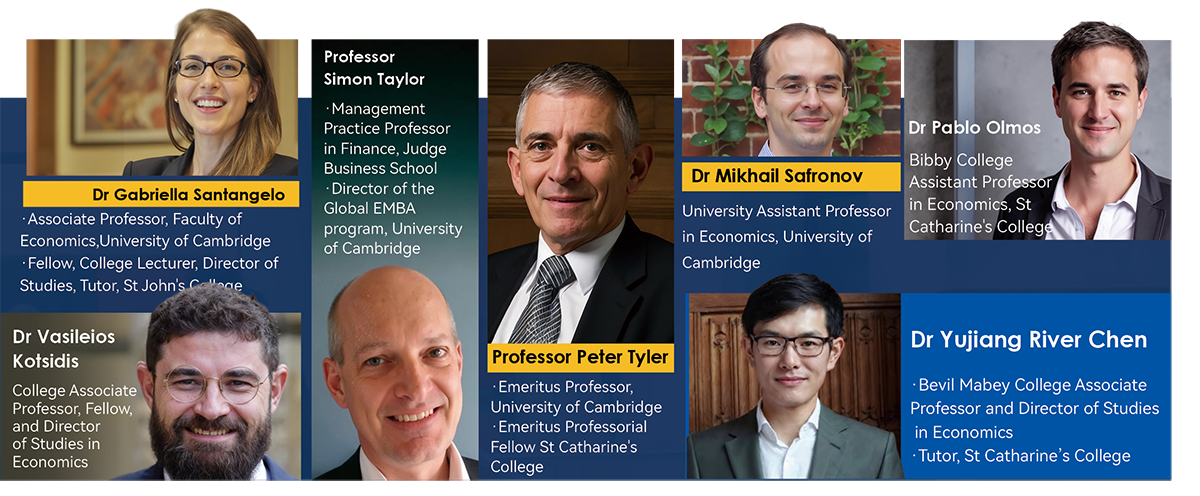
Advanced Academic Support Economics Camp - St Catharine’s College, Cambridge
By invitation only for IEO outstanding students
St Catharine’s College, University of Cambridge, founded in 1473, has built a distinguished academic legacy and is renowned for its strengths in interdisciplinary research and its commitment to cultivating future leaders with innovative thinking. Recognising outstanding performers from internationally recognised academic Olympiads and high-level subject competitions, St Catharine’s College has reached partnership with ASEEDER to offer high level academic camps for global top prize winners in six disciplines: Mathematics, Physics, Chemistry, Biology, Informatics & AI, and Economics. Outstanding award winners of the IEO will be eligible to be invited to the Cambridge Economics Camp.
Organiser/Location:St Catharine’s College, Cambridge
Dates:July 2027 (11 days)
Seats:35 (limited, first-come, first-served)
Language:English
Guest Lectures


-中文手册-2024-批注改1.jpg?x-oss-process=image/resize,m_fill,w_600,h_300)