One of most prestigious Chemistry competition in the world

Hosted by the Department of Chemistry and St. Catherine's College, University of Cambridge

Highly recommended Super-curricular for high school students by University of Cambridge

UKChO (UK Chemistry Olympiad) is the continuation competition of C3L6

Over 10,000 students attending each year with over 60% winning rate

Essential to application for the UK top universities

Date:

Dec. 6, 2026 (Mon.) 90 mins

Introduction

The Cambridge Chemistry Challenge (C3L6) is a global challenge for high school students co-sponsored by the Department of Chemistry and St Catharine's College at the University of Cambridge. It is officially recommended by the University of Cambridge as a high school academic program. C3L6 is a highly valued chemistry challenge for UK high schools, with over 10,000 students participating each year, and is often used as a pre-test for the UKChO (UK Chemistry Olympiad). It is aimed at high school students up to Year 12 and designed to extend chemistry knowledge in a challenging but fun way.

C3L6 is based on A-level chemistry knowledge, but is more diffcult than A-level and examines students' ability to apply their A-level chemistry knowledge in a flexible way. It is a highly rewarding challenge for students who want to explore the field of Chemistry further and its results are highly sought after by the world's leading universities. In the UK, the C3L6 invites no more than 60 top students each year to a residential camp at the University of Cambridge. Designed and taught by Cambridge professors, the camp aims to enhance the academic ability of young elites in Chemistry and to encourage and help outstanding students to understand and choose to study at Cambridge in the future.

Rules

Language

English

Date

Dec. 6, 2026 (Mon.) 90 mins

Location

Online

Format

Individual test

Content 

Test papers consists of 2-3 general chemistry questions with a dozen related sub-questions

Topics 

A-Level Chemistry Course

Awards

  • Roentgenium Award

  • Gold Award

  • Silver Award

  • Copper Award

Grading

All papers will be sent back to the University of Cambridge for assessment, with marks set by the University of Cambridge and results expected to be issued within 60 days after the exam

Registration Phase:

  • The School can apply for partner school and students can directly register via School.

  • The Registration Deadline will last until 2 weeks before Exam Date of each competitions.

About Payment

Schools can submit the registration form and issue the payment accordingly before the registration deadline.

C3L6 Asia Camp

Language

English

Date

 August, 2027 (TBD)

Location

China

Eligibility

Invited Award Winners of the 2026 C3L6


ICQ Asia Camp

2026 Recap Video

2027 St Catharine's College Chemistry Camp Information

Language:

English

Date:

July, 2027 (Estimated)

Eligibility:

Gold Awarded students in the 2026 C3L6

Location:

St Catharine's College, Cambridge, UK

Camp Highlights:
  • Under the direction of Prof, Peter Wothers MBE, Professor of Chemistry at the University of Cambridge
  • Guest Lecture Speakers Provide Insights into Different Areas of Chemical Research
  • 5x7 Hours: Dive Deep into Cambridge's Advanced Chemistry Curriculum
  • The Cambridge teaching model, integrating theory with practice
  • Step into the laboratories of the University of Cambridge
  • Individual Research opportunity
  • Cambridge Chemistry Application Session and Mock Interview Showcase
How to register?

Please email us at Info.asia@seedasdan.org

Coaches

Prof. Peter Wothers MBE

Recipient of the Member of the Order of the British Empire (MBE) honor; Chairman of Cambridge Chemistry Challenge(C3L6); Rushton Fellow and Director of Studies in Chemistry at St Catharine's College

MORE >
Prof. Peter Wothers MBE

Prof. Peter Wothers MBE

Recipient of the Member of the Order of the British Empire (MBE) honor; Chairman of Cambridge Chemistry Challenge(C3L6); Rushton Fellow and Director of Studies in Chemistry at St Catharine's College

Professor Peter Wothers is a teaching professor in the Department of Chemistry. He has been commited to promoting the development of Chemistry education and co-authored a number of popular undergraduate textbooks including Why Chemical Reactions Happen, Chemical Structure and Reactivity and Organic Chemistry.

Peter gave the Royal institution Christmas Lectures on the BBC in 2012, Peter is heavilv involved in both the National and International Chemistry 0lympiad competitions, and also initiated the successful Cambridge Chemistry Challenge, supported by the College. Peter is Director of Studies in Chemistry for St Catharine's, and supervises many of Chemistry students. In 2014, he was awarded an MBE for services to Chemistry.
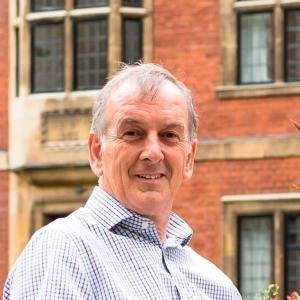
Visiting Professors

* The professors may be changed according to the actual situation.

Prof. John Pyle FRS

Professor of Chemistry, Cambridge; Fellow of the Royal Society (FRS)

MORE >
Prof. John Pyle FRS

Prof. John Pyle FRS

Professor of Chemistry, Cambridge; Fellow of the Royal Society (FRS)

Professor John Pyle FRS is an expert in atmospheric chemistry and climate science, having devoted his career to research on stratospheric-tropospheric chemistry, ozone layer changes, and their interactions with the climate system. His findings have profoundly influenced the formulation of international environmental policy.
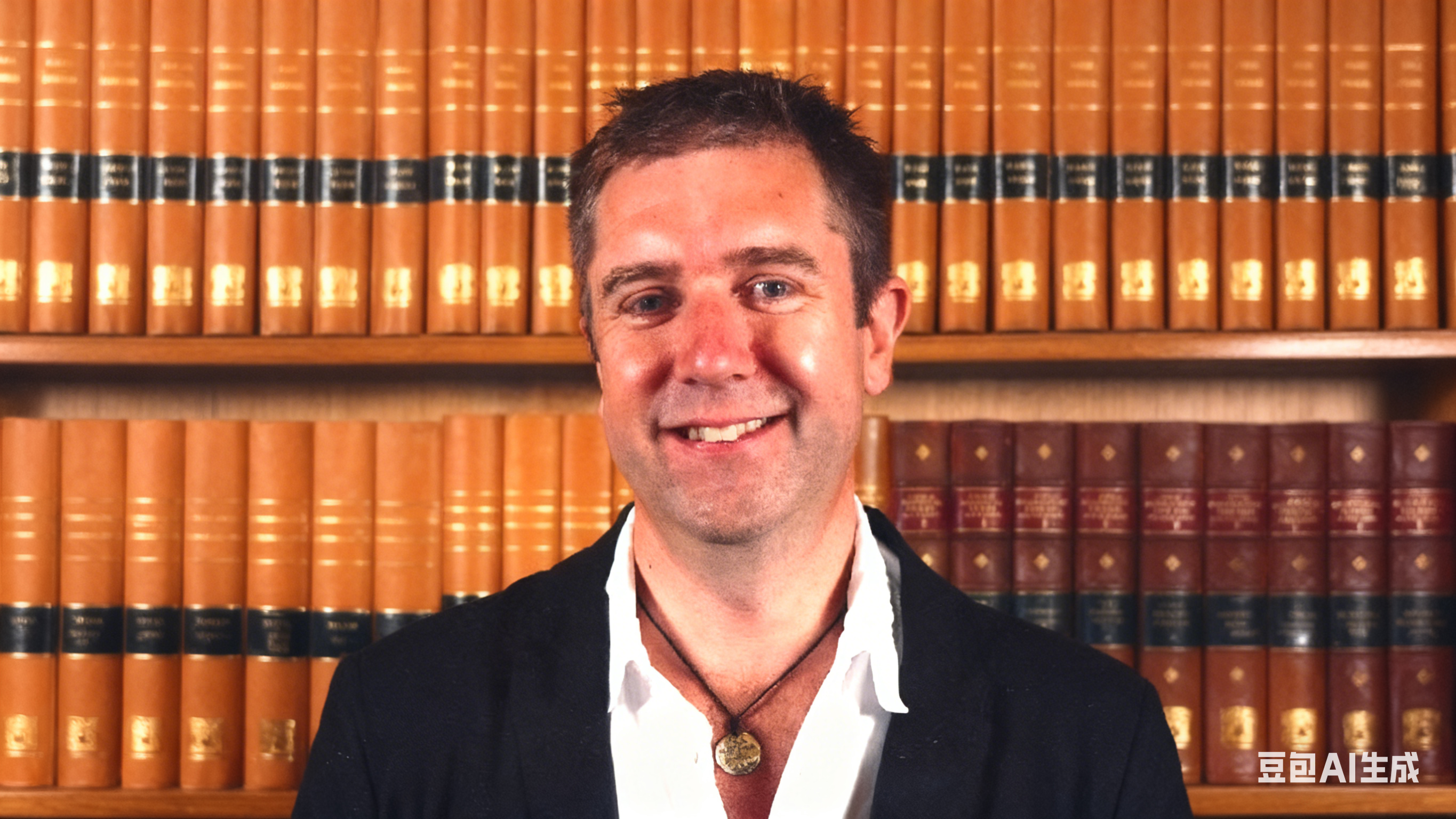
Prof. Chris Hunter FRS

Professor of Chemistry, Cambridge; Fellow of the Royal Society (FRS)

MORE >
Prof. Chris Hunter FRS

Prof. Chris Hunter FRS

Professor of Chemistry, Cambridge; Fellow of the Royal Society (FRS)

Professor Chris Hunter FRS is an expert in the field of supramolecular chemistry. He has developed energy decomposition and prediction models for molecular interactions, providing a computable theoretical framework for fields such as drug design and materials chemistry.
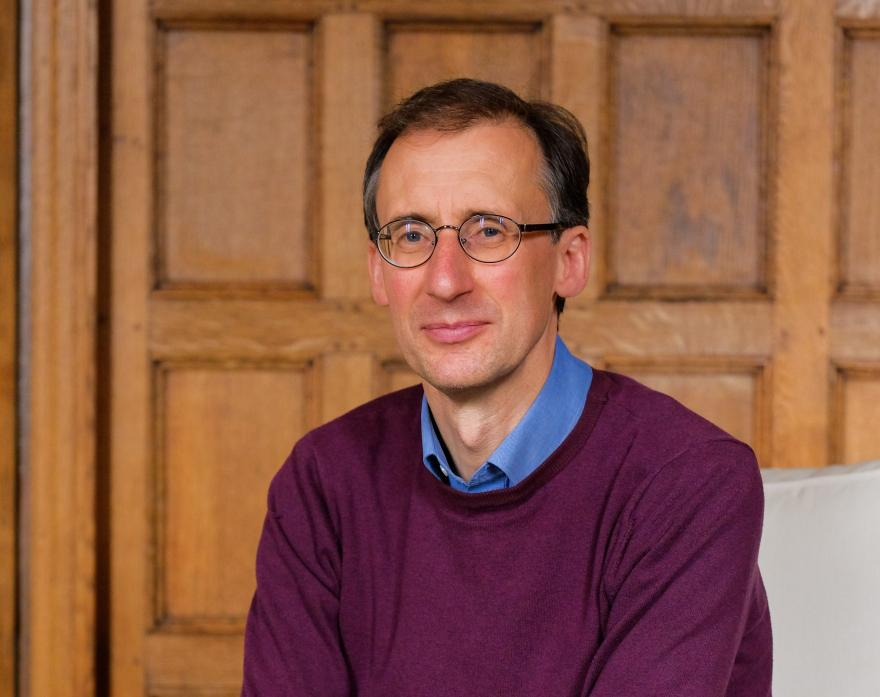
Prof. Jonathan Goodman

Professor of Chemistry, Cambridge

MORE >
Prof. Jonathan Goodman

Prof. Jonathan Goodman

Professor of Chemistry, Cambridge

Professor Jonathan Goodman is a distinauished theoretical and computational oraanic chemist. His longstanding research into computational prediction of organic reaction mechanisms, stereoselectivity,
and molecular reaction pathways has significantly enhanced the predictability and synthetic eficiency of complex chemical reactions.
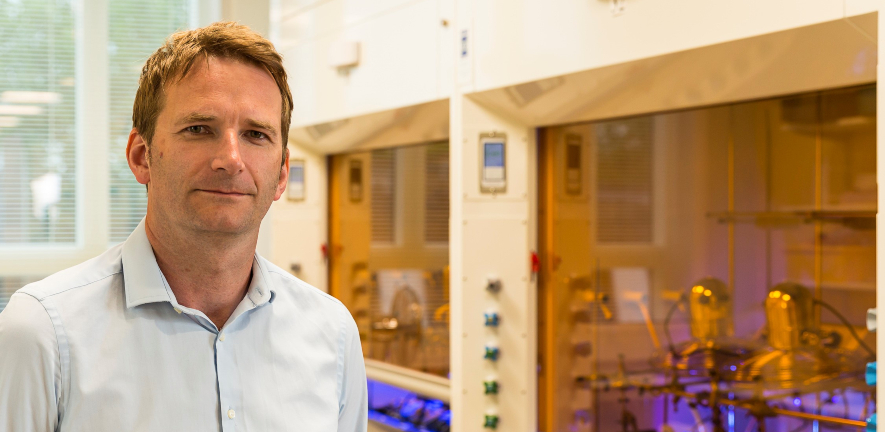
Prof. Matthew Gaunt

Professor of Chemistry, Cambridge

MORE >
Prof. Matthew Gaunt

Prof. Matthew Gaunt

Professor of Chemistry, Cambridge

Professor Matthew Gaunt is a world-leading figure in the field of organic synthetic methodology. His research has significantly expanded the chemical frontiers for the efficient construction of complex molecules and has been honoured with numerous prestigious international chemistry awards.
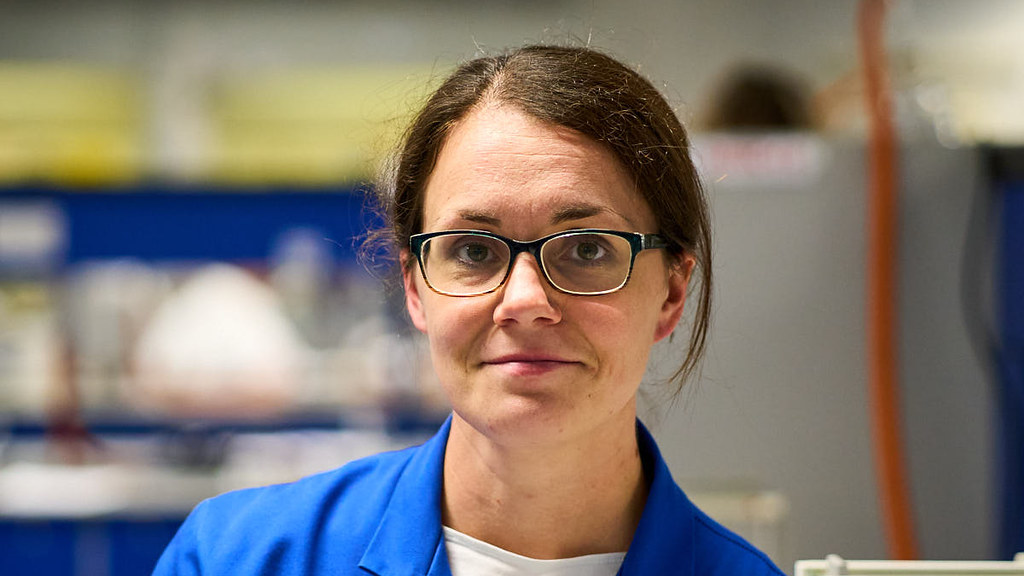
Dr. Ruth L. Webster

Assistant Professor of Chemistry, Cambridge

MORE >
Dr. Ruth L. Webster

Dr. Ruth L. Webster

Assistant Professor of Chemistry, Cambridge

Dr Ruth L. Webster is an outstanding young scholar in the field of organic catalysis and sustainable chemistry, having received significant awards from the Royal Society of Chemistry (RSc). Her research
focuses on transition metal catalysis, organic synthetic methodology and green reaction design, yielding numerous outcomes of practical application.
Schedule
Agenda

Day 1 Day 2 Day 3 Day 4 Day 5
Morning Depart for the United Kingdom London trip -British museum & Natural History museum London trip -British museum & Natural History museum Oxford Trip Cambridge math courses: Difference Equations: Time-evolving Models, Discrete Systems and Complex Dynamics
Lunch
Afternoon Check in the St Catharine's College London explore -renowned architectures London explore -renowned architectures Oxford Trip Cambridge math courses: Cobweb Diagrams for Real-world Modelling
Day 6 Day 7 Day 8 Day 9 Day 10 Day 11
Morning Cambridge math courses: Difference Equations: Time-evolving Models, Discrete Systems and Complex Dynamics Cambridge math courses: Difference Equations: Time-evolving Models, Discrete Systems and Complex Dynamics Cambridge math courses: Difference Equations: Time-evolving Models, Discrete Systems and Complex Dynamics Cambridge math courses: Difference Equations: Time-evolving Models, Discrete Systems and Complex Dynamics Research Presentation Return
Lunch
Afternoon Cambridge math courses: Cobweb Diagrams for Real-world Modelling Cambridge math courses: Cobweb Diagrams for Real-world Modelling Cambridge math courses: Cobweb Diagrams for Real-world Modelling Cambridge math courses: Cobweb Diagrams for Real-world Modelling Punting & Formal dinner

* Schedule may be changed according to the actual situation.

Video Review

Requirements

Deadline

TBD

Available Seats

60 Students

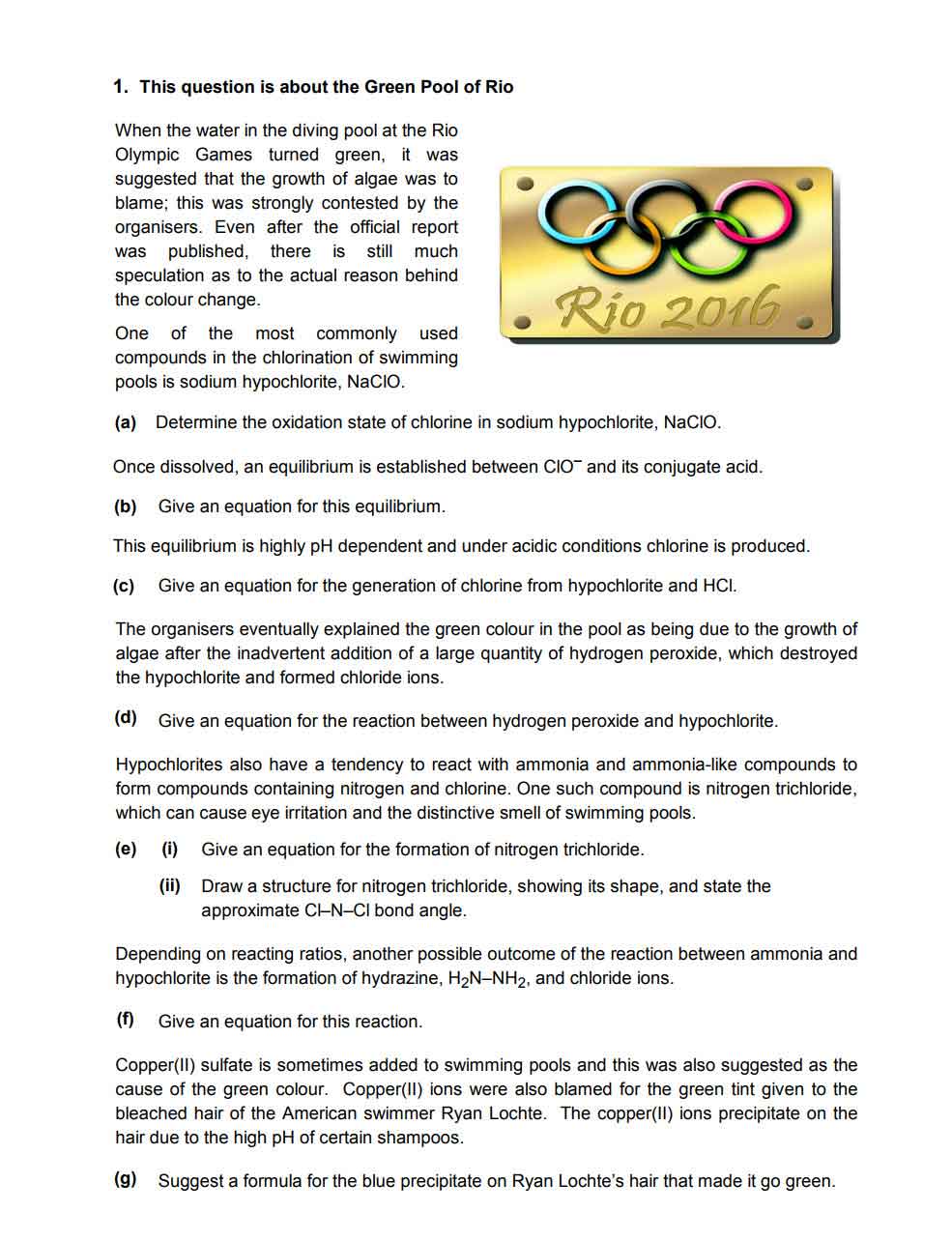
Sample Problems


The St Catharine's College, Cambridge Chemistry Camp

Language

English

Date

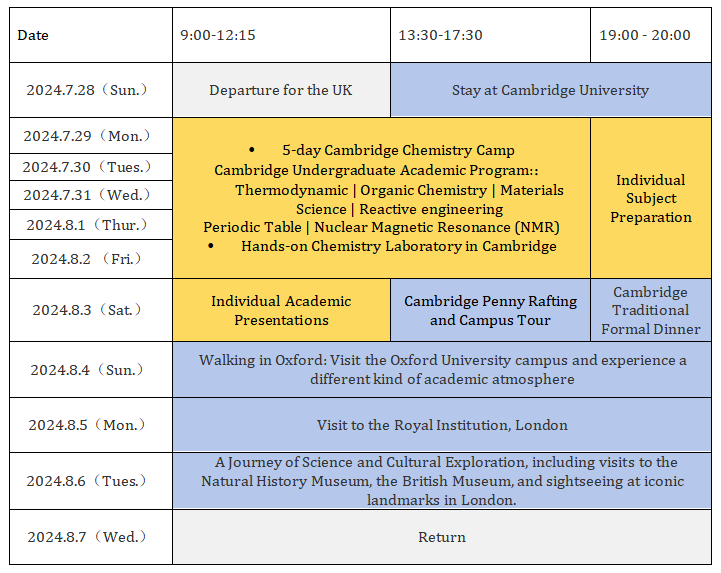
28th July-7th August, 2024

Location

St Catharine's College, University of Cambridge, UK

Participation

Roentgenium Award / Gold Award / Silver Award winners in 2023 C3L6 and Gold Award winners in 2024 UKChO


Schedule

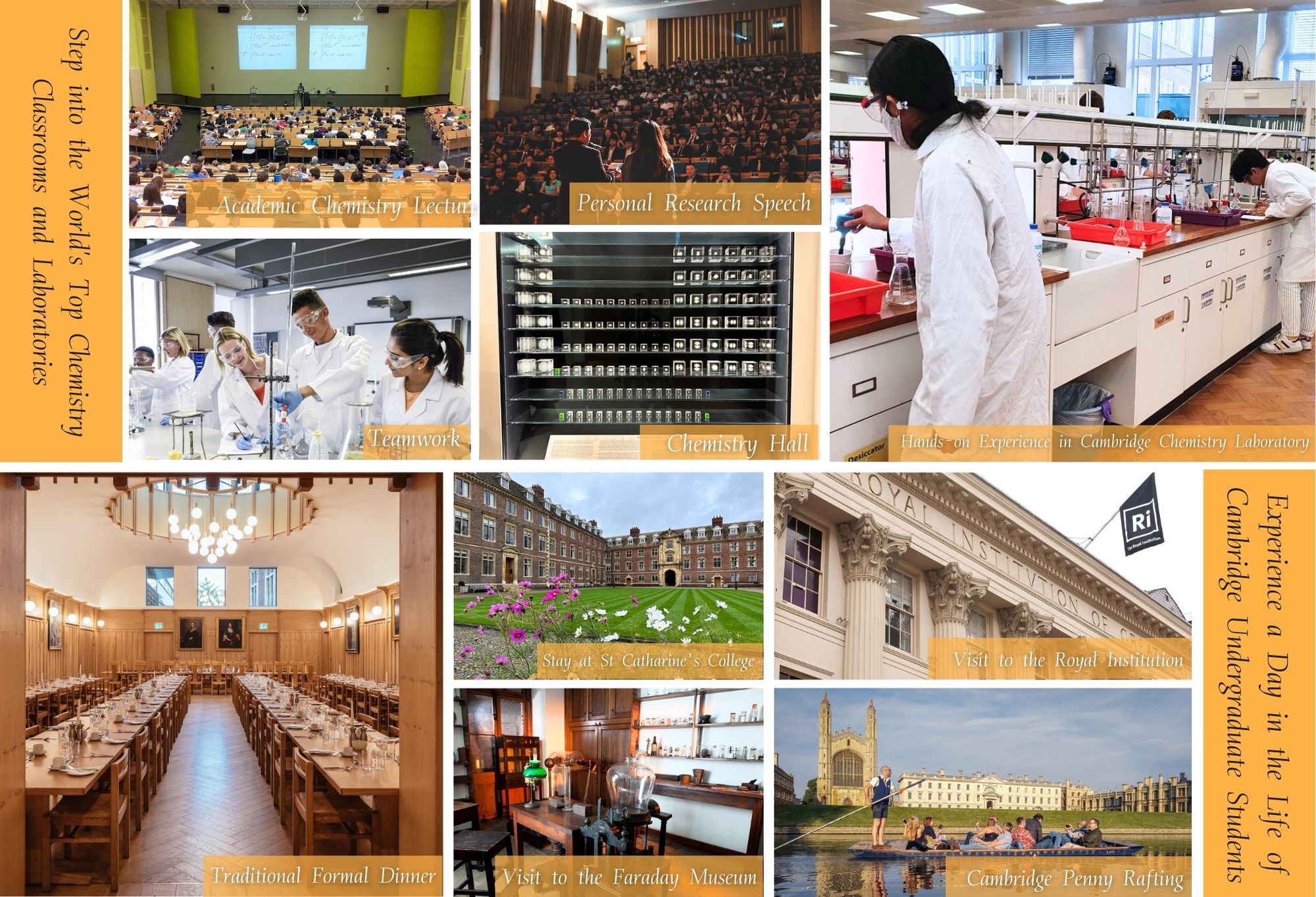
Cambridge Chemistry Camp Special Moments
Exam Centers

ASDAN EPQ Scholarship

3000RMB/std

Gold

2000RMB/std

Silver

1000RMB/std

Bronze

Noted:The ASDAN Scholarship is only available to Year 10, 11 and 12 students for participating ASDAN Extended Project Qualification(EPQ). EPQ is recommended by the G5 group and many leading universities as a competitive academic experience. Scholarships cannot be exchanged for cash. For further details see:http://www.seedasdan.org/epq/。